





Outdoor LED Screen Price: A Comprehensive Guide
Outdoor LED Screen Price Guide 2026: Costs, Features & Buying Tips
Outdoor LED screens have revolutionized advertising, sports arenas, and public events. Offering high brightness (5,000+ nits) and weather resistance, these digital displays ensure your message is seen day and night.
However, the price of an outdoor LED display varies significantly based on technical specifications. This comprehensive guide breaks down the costs, factors influencing pricing, and how to choose the right screen for your budget.

7 Key Factors That Influence Outdoor LED Screen Prices
Understanding these variables will help you calculate the true cost of your digital billboard or video wall.
1. Pixel Pitch (Resolution)
Pixel pitch (measured in millimeters) is the distance between LED clusters. It is the biggest cost driver.
- Low Pitch (P3–P4): High resolution, most expensive. Best for close viewing (3–10 meters) like storefronts or pedestrian plazas.
- Medium Pitch (P5–P8): Balanced cost. Ideal for shopping malls and outdoor events.
- High Pitch (P10+): Lower resolution, most affordable. Best for highway billboards and stadiums where viewers are 20+ meters away.
2. Screen Size & Total Area
Pricing is often calculated per square meter. Larger screens require more LED modules, power supplies, and larger cabinets.
- Example: A 200m² highway billboard costs significantly more than a 4m² storefront sign, though the cost per square meter might be lower for the larger screen due to economies of scale.
3. Brightness Levels (Nits)
Outdoor screens must compete with direct sunlight.
- Standard Outdoor: 5,000–6,000 nits.
- High Brightness: 7,000–10,000 nits (Required for screens facing direct sunlight).
- Impact: Higher brightness LEDs are more expensive but essential for daytime visibility.
4. Weather Resistance (IP Rating)
Durability is non-negotiable.
- IP65 (Front): Waterproof and dustproof.
- IP54 (Rear): Protected against splashes.
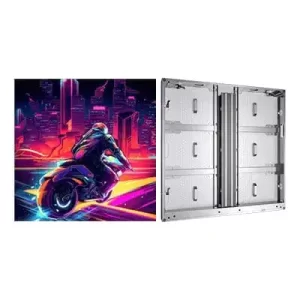
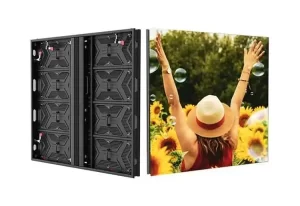
- Die-cast Aluminum Cabinets: More expensive than iron but rust-proof and lighter for installation.
5. Fixed vs. Rental Screens
- Fixed Installation: Designed for permanent setups (billboards). Cheaper per unit.
- Rental Screens: Built with quick-lock mechanisms and flight cases for frequent moving (concerts). These command a premium price for their versatility.
Outdoor LED Screen Price List (2025 Estimates)
Below is a general price breakdown based on pixel pitch and screen dimensions.
| Pixel Pitch | Screen Size | Resolution Quality | Est. Price Range (USD) | Best Application |
|---|---|---|---|---|
| P3 – P4 | 2m x 2m (4 m²) | High Definition | $14,000 – $24,000 | Storefronts, Pedestrian Areas |
| P5 – P6 | 5m x 3m (15 m²) | Standard HD | $50,000 – $90,000 | Event Stages, Plazas |
| P8 – P10 | 10m x 5m (50 m²) | Standard | $150,000 – $300,000 | Stadiums, Large Billboards |
| P10 – P16 | 20m x 10m (200 m²) | Low | $600,000+ | Highway Mega-Screens |

Hidden Costs: Installation & Maintenance
When budgeting for an outdoor LED display, do not overlook these additional expenses:
- Structural Installation ($5,000 – $20,000+):
Outdoor screens need heavy-duty steel structures (columns or wall mounts) to withstand wind loads. Complex roof installations cost more. - Content Management System (CMS):
To manage content remotely, you need a sending box and software. Costs range from $500 to $2,000. - Power Consumption:
Outdoor screens are power-hungry (approx. 500–800 watts/m² average). Plan for ongoing electricity costs. - Maintenance & Spare Parts:
Budget 5–10% annually for cleaning, module replacements, and power supply repairs.
Essential Features of Top-Tier Outdoor Screens
To ensure ROI, ensure your screen includes:
- High Refresh Rate (3840Hz): Ensures flicker-free images, crucial if the screen will be filmed by cameras (e.g., sports live streams).
- Automatic Brightness Sensor: Adjusts screen brightness based on ambient light to save energy and prevent light pollution at night.
- Wide Viewing Angle: 160° horizontal visibility ensures the image looks good even from the side.
5 Tips to Save Money on Outdoor LED Screens
- Don’t Overpay for Resolution:
If your screen is on a pole 10 meters high, the human eye cannot see the difference between P6 and P3. Choosing P6 can save you 30-40%. - Source from Reputable Manufacturers:
Brands like Absen, Unilumin, or top-tier Shenzhen manufacturers offer competitive pricing compared to US/EU assemblers while maintaining high quality. - Energy Efficiency:
Invest in “Common Cathode” technology. Although the upfront cost is higher, it reduces power consumption by up to 30%, saving money over time. - Buy Spare Modules Upfront:
LED batches change colors slightly over time. Buying 5-10% spare modules with your initial order ensures you have perfectly matching replacements for repairs. - Consider Iron vs. Aluminum:
For dry climates, iron cabinets are cheaper than aluminum. However, for coastal areas, aluminum is necessary to prevent rust.