


LED Display Screen for Sports Events: A Complete Guide
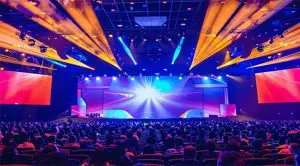
LED display screens are an essential part of modern sports events, providing live game footage, replays, scores, advertisements, and fan engagement features. These screens enhance the game-day experience for fans while offering valuable opportunities for sponsorships and advertising revenue.
This guide explores the key features, types, benefits, applications, and pricing of LED display screens for sports events.
Why Use LED Display Screens for Sports Events?
1. Real-Time Game Coverage
- Display live footage, instant replays, and close-up action to ensure fans don’t miss any key moments.
2. Scoreboards and Stats
- Present real-time scores, match stats, and game progress for everyone in the venue.
3. Advertising Revenue
- LED screens offer a dynamic platform for sponsors to showcase video ads, logos, and promotions, generating significant revenue.
4. Fan Engagement
- Use features like fan cams, kiss cams, and live polls to entertain and involve the audience.
5. Multi-Purpose Use
- LED screens can also be used for pre-game shows, halftime entertainment, and post-game celebrations.
Types of LED Display Screens for Sports Events
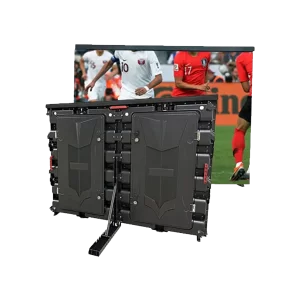
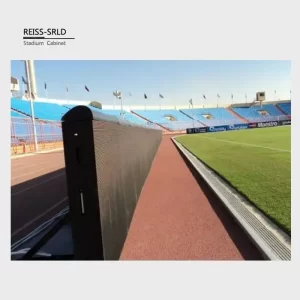
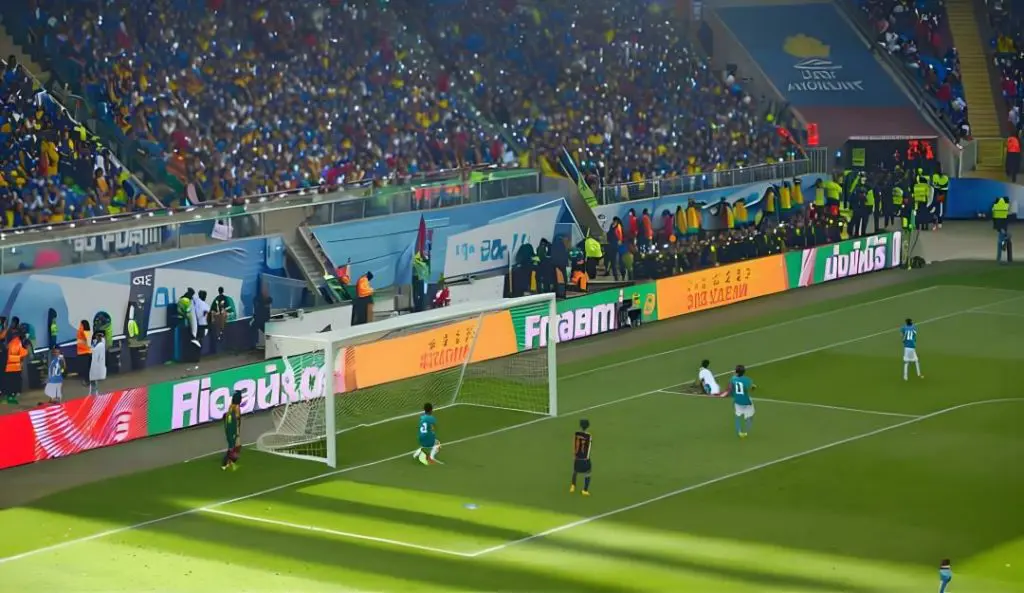
1. Perimeter LED Screens
- Location: Installed around the playing field or court.
- Purpose: Display advertisements, messages, and real-time updates.
- Features:
- Wide viewing angles to ensure visibility from all sides.
- Resilient to impact from balls or players.
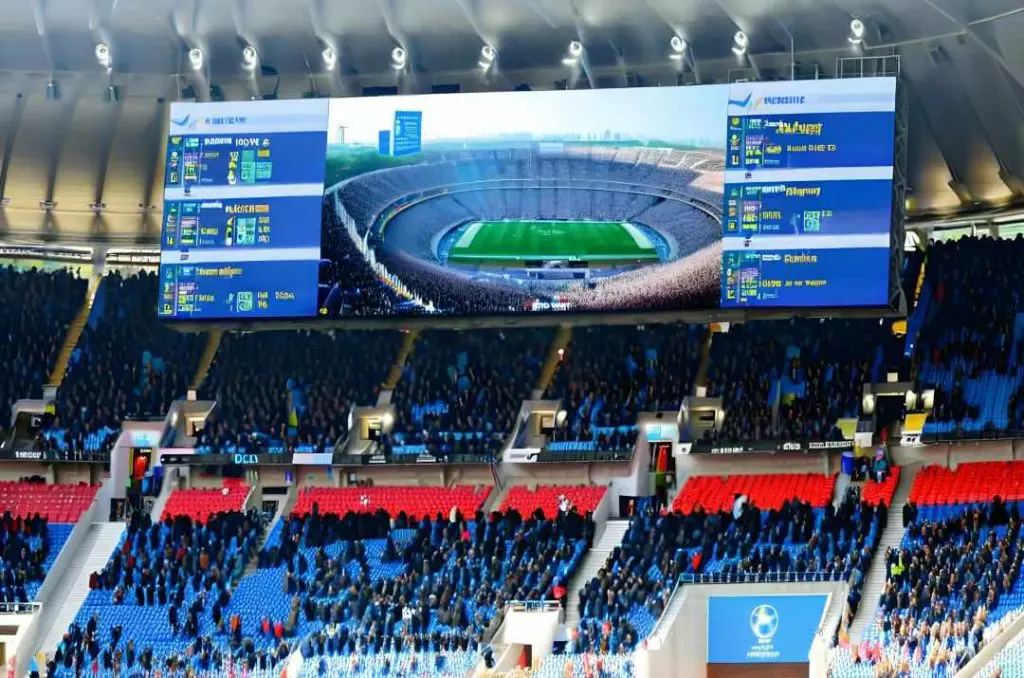
2. Giant LED Scoreboards
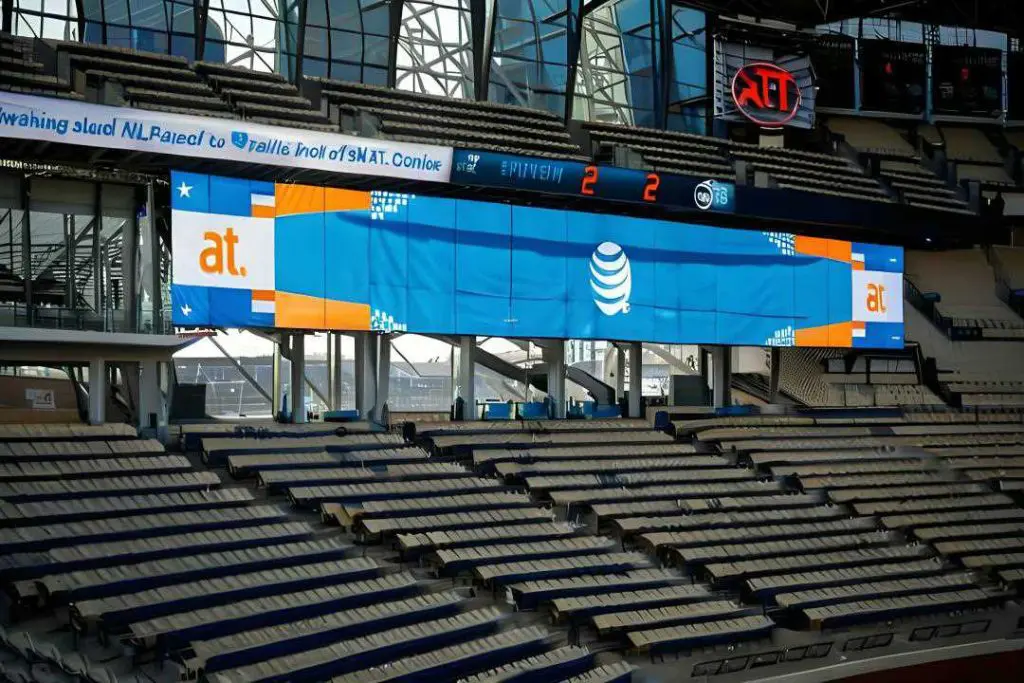
- Location: Mounted on high structures in stadiums or arenas.
- Purpose: Show scores, game time, and live footage visible to the entire audience.
- Features:
- High brightness levels for outdoor and indoor use.
- Large sizes for visibility across great distances.
3. Ribbon LED Screens
- Location: Installed along the stadium bowl or arena walls.
- Purpose: Used for sponsor banners, crowd prompts, and additional stats.
- Features:
- Long and narrow design for compact spaces.
- Continuous, seamless display.
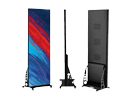
4. Mobile LED Screens
- Location: Mounted on trucks or portable stands.
- Purpose: Provide flexible display solutions for temporary events or venues.
- Features:
- Easy to set up and relocate.
- Available in various sizes for different event scales.
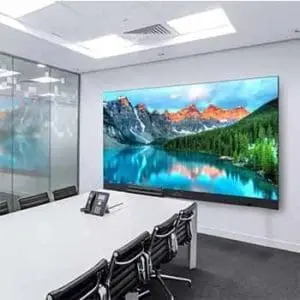
5. Indoor LED Screens
- Location: Used in indoor arenas or gyms.
- Purpose: Perfect for basketball, volleyball, or similar sports events where close viewing is required.
- Features:
- High resolution with pixel pitches as low as P1.5–P3.
- Lower brightness suited for indoor lighting conditions.
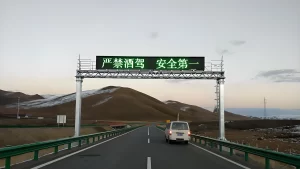
6. Outdoor LED Screens
- Location: Installed in open-air stadiums.
- Purpose: Provide live game coverage, advertisements, and fan engagement in outdoor settings.
- Features:
- High brightness (5,000–10,000 nits) for visibility in sunlight.
- Weatherproof (IP65-rated) for durability in rain, wind, and dust.
Key Features of LED Display Screens for Sports Events
| Feature | Description |
|---|---|
| High Brightness | Outdoor screens range from 5,000–10,000 nits, ensuring visibility in bright sunlight. |
| Dynamic Content | Capable of displaying live video feeds, animations, replays, and advertisements. |
| Pixel Pitch Options | From P1.5 (high resolution) to P10 (long-distance viewing). |
| Wide Viewing Angles | Up to 160°–178°, ensuring clear visuals for large crowds. |
| Weatherproof Design | IP65-rated for outdoor durability against rain, dust, and extreme temperatures. |
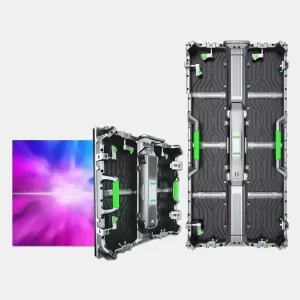
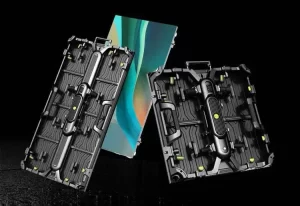
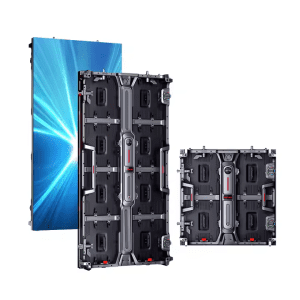
| Modular Panels | Allows for custom screen sizes and shapes to fit specific areas. |
| High Refresh Rate | 1,920–3,840 Hz for smooth and flicker-free visuals, ideal for fast-paced sports. |
| Durability | Designed for 50,000–100,000 hours of operation. |
| Impact Resistance | Perimeter screens come with shockproof designs to withstand sports impacts. |
| Energy Efficiency | Modern LED technology reduces power consumption while maintaining performance. |
Benefits of LED Screens for Sports Events
1. Enhanced Fan Experience
- Fans enjoy live replays, stats, and dynamic content, ensuring they stay engaged throughout the event.
2. Increased Revenue
- Generate income through sponsor advertisements, branded content, and promotional messages.
3. Easy Maintenance
- Front and rear serviceability make repairs and maintenance quick and hassle-free.
4. Versatility
- Can be used for sports, concerts, public announcements, or other events within the stadium.
5. Long-Term Investment
- With a lifespan of 50,000+ hours, LED screens provide a high return on investment (ROI).
Pixel Pitch and Viewing Distance for Sports LED Screens
The pixel pitch affects the resolution and clarity of the screen. Here’s how to choose the right pixel pitch for sports events:
| Pixel Pitch | Viewing Distance | Best Use Case |
|---|---|---|
| P1.5–P3 | 1–10 meters | Close-up viewing for indoor arenas or high-resolution scoreboards. |
| P5–P6 | 5–30 meters | Medium-sized stadium displays or perimeter advertising screens. |
| P8–P10 | 10–100+ meters | Large outdoor screens for scoreboards, live feeds, and advertising. |
Applications of LED Screens in Sports Events
1. Live Game Coverage
- Broadcast real-time gameplay and instant replays to enhance the fan experience.
2. Digital Scoreboards
- Display scores, timers, and game stats clearly for the entire audience.
3. Perimeter Advertising
- Showcase dynamic sponsor ads and promotions around the field or court.
4. Fan Interaction
- Use fan cams, social media feeds, and crowd prompts to engage the audience.
5. Halftime Shows
- Entertain fans with music videos, animations, or other performances during breaks.
6. Public Announcements
- Use the screens for emergency alerts, schedule updates, or event reminders.
Cost of LED Display Screens for Sports Events
The cost of an LED screen varies depending on factors such as size, pixel pitch, brightness, and features. Below is a general price guide:
| Screen Type | Pixel Pitch | Size | Price Range (USD) | Best Use Case |
|---|---|---|---|---|
| Perimeter LED Screens | P6–P10 | 20m x 1m | $20,000–$50,000 | Dynamic perimeter advertising. |
| Giant LED Scoreboards | P4–P8 | 10m x 6m | $150,000–$300,000 | Large stadium scoreboards and live feeds. |
| Ribbon LED Screens | P5–P10 | 50m x 0.5m | $50,000–$100,000 | Continuous advertising and messages. |
| Mobile LED Screens | P6–P8 | 6m x 4m | $50,000–$80,000 | Temporary or portable sports events. |
| Indoor LED Screens | P2–P3 | 5m x 3m | $30,000–$70,000 | High-resolution displays for indoor arenas. |
| Outdoor LED Screens | P8–P10 | 20m x 10m | $500,000–$1,000,000+ | Large-scale outdoor stadium displays. |
Additional Costs to Consider
- Installation
- Custom mounting, structural support, and electrical setup can cost $5,000–$50,000 depending on the complexity.
- Content Management System (CMS)
- Software to manage and schedule content costs $1,000–$10,000.
- Maintenance
- Annual maintenance costs are typically 5–10% of the screen price.
- Power Consumption
- Operating costs vary based on screen size, brightness, and daily usage.
How to Choose the Right LED Screen for Sports Events
1. Define Your Purpose
- Is the screen for scoreboards, advertisements, or live game coverage?
- Choose the features and size based on its primary function.
2. Select the Right Pixel Pitch
- Opt for P3–P6 for indoor or close viewing.
- Choose P8–P10 for outdoor or large-scale displays.
3. Ensure Weatherproofing
- For outdoor screens, ensure they are IP65-rated for durability in all weather conditions.
4. Plan for Installation
- Work with professionals to ensure proper mounting, calibration, and alignment.
5. Budget for Maintenance
- Schedule regular cleaning, diagnostics, and repairs to ensure long-term performance.