






Outdoor LED Screen: The Ultimate Solution
Outdoor LED Screen: Ultimate Guide to Features, Benefits, and Applications
An outdoor LED screen is a high-performance digital display designed to deliver vibrant, high-resolution visuals under any weather condition. These screens are engineered for outdoor environments, offering superior brightness, durability, and versatility to captivate audiences in public spaces, events, and advertising campaigns.
This comprehensive guide covers everything about outdoor LED Walls, including features, applications, technical specifications, benefits, and key factors for your project. With the global digital signage market expected to grow to $35 billion by 2026 (source: MarketsandMarkets), outdoor LED display screens are a smart investment for businesses seeking high-impact visibility.
What Is an Outdoor LED Screen?
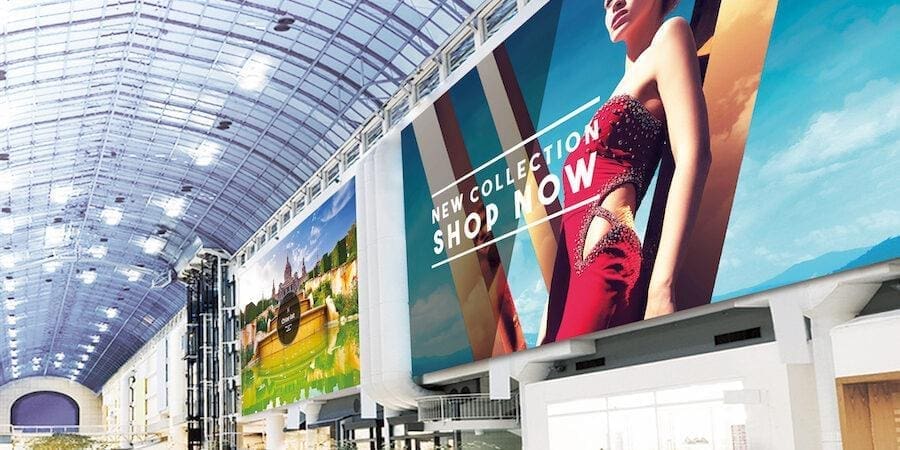
An outdoor LED screen is a digital display composed of modular LED panels, projecting dynamic content like videos, animations, live feeds, and ads in outdoor settings. Built with weather-resistant materials and high brightness, they ensure visibility in direct sunlight or adverse conditions. From giant billboards to portable event displays, outdoor LED screens provide versatile solutions for businesses and organizers aiming for maximum impact.
Key Features of Outdoor LED Display Screens
Outdoor LED display screens boast advanced features for reliability:
- High Brightness: 5,000–10,000 nits for visibility in sunlight.
- Weather Resistance: IP65+ rating protects against rain, dust, UV rays, and temperatures from -40°C to 70°C.
- Modular Design: Customizable panels for any size or shape.
- Wide Viewing Angles: 140°–160° for broad audience reach.
- Energy Efficiency: Low power consumption (200–800 W/m²) reduces costs.
- High Refresh Rate: ≥3,840 Hz for smooth, flicker-free videos.
- Durability: Rugged build withstands winds, impacts, and 24/7 use.
These features make outdoor LED screens ideal for demanding environments.
Applications of Outdoor LED Displays
Outdoor LED Walls are used in diverse scenarios:
- Advertising and Marketing
- Billboards: Dynamic ads in highways and city centers.
- Retail Storefronts: Engaging visuals to attract customers.
- Events and Concerts
- Live Shows: Large-scale visuals for festivals.
- Sports Events: Live feeds and scores in stadiums.
- Public Information
- Transportation Hubs: Real-time schedules at airports and stations.
- City Centers: Emergency alerts and community updates.
- Educational and Religious Institutions
- Outdoor Gatherings: Visuals for sermons or lectures.
- Entertainment
- Drive-In Theaters: Immersive movie experiences.
- Theme Parks: Directions and promotions.
Case Study: The Sydney Opera House uses outdoor LED Walls for events, boosting attendance by 30% through dynamic visuals.
Benefits of Outdoor LED Walls

Investing in an outdoor LED wall offers key advantages:
- Superior Visual Impact: High brightness and resolution ensure standout content, increasing engagement by 50% (per OAAA studies).
- Customization: Modular designs for tailored sizes and shapes.
- Weatherproof Design: Reliable in rain, heat, or cold.
- Long Lifespan: 50,000–100,000 hours for long-term value.
- Real-Time Updates: Instant content changes via remote systems.
- Eco-Friendly: Lower energy use reduces carbon footprint.
Types of Outdoor LED Screens
| Type | Description | Best For |
|---|---|---|
| Fixed Outdoor LED Walls | Permanent installs | Billboards, stadiums, facades. |
| Mobile LED Screens | Portable on trailers | Events, parades, roadshows. |
| Transparent LED Screens | Semi-transparent for glass | Architectural integrations. |
| Curved LED Screens | Flexible for curves | Creative designs, immersive setups. |
| Perimeter LED Screens | Horizontal for arenas | Sports advertising. |
Technical Specifications of Outdoor LED Screens
| Specification | Details |
|---|---|
| Pixel Pitch | P2.5–P10 for outdoor viewing. |
| Brightness | 5,000–10,000 nits for sunlight. |
| Refresh Rate | ≥3,840 Hz for smooth visuals. |
| Weatherproof Rating | IP65–IP67 for protection. |
| Viewing Angle | 140°–160° for wide reach. |
| Power Consumption | 200–800 W/m². |
| Lifespan | 50,000–100,000 hours. |
Factors to Consider When Choosing an Outdoor LED Screen
- Location and Viewing Distance: P6 for medium; P10 for long distances.
- Brightness: Ensure 5,000+ nits for daylight.
- Content Requirements: Match resolution to videos or ads.
- Weather Resistance: IP65+ certification essential.
- Installation: Fixed vs. mobile LED screens.
- Budget: Balance upfront costs with ROI.
Cost of Outdoor LED Screens
Costs vary by size and pitch (2023 estimates):
- Cost Per Square Meter
Pixel Pitch Use Case Cost per m² (USD) P6 Medium distance $700–$1,500 P8 Long-distance $500–$1,200 P10 Billboards $500–$900 - Additional Costs
- Steel Structure: $5,000–$50,000.
- Installation: $10,000–$100,000.
- Control System: $2,000–$10,000.
ROI often achieved in 3-5 years through advertising revenue.
FAQ: Common Questions About Outdoor LED Screens
- What is an outdoor LED screen? Weatherproof display for outdoors.
- How much does an outdoor LED screen cost? $1,000–$3,000 per m².
- What is the best outdoor LED screen for advertising? High-brightness models.


