






LED Screen: A Comprehensive Guide
LED Screen: Ultimate Guide to Types, Features, Benefits, Costs, and Buying Tips
An LED screen is a cutting-edge display technology that uses light-emitting diodes (LEDs) to produce vibrant, high-resolution images and videos. From massive outdoor billboards to sleek indoor video walls, LED screens have transformed how we consume visual content in advertising, entertainment, education, and beyond. With the global LED screen market expected to grow to $31.5 billion by 2027 at a CAGR of 7.5% (source: MarketsandMarkets), these displays offer unmatched brightness, durability, and energy efficiency compared to traditional LCD or plasma screens.
Whether you’re a business owner seeking an outdoor LED screen for advertising, a homeowner looking for the best LED screen for home theater, or an event planner needing a rental LED screen, this ultimate guide covers everything. We’ll explore types, features, benefits, applications, technical specifications, costs, buying tips, future trends, and frequently asked questions. By the end, you’ll have the knowledge to make an informed decision and potentially save thousands on your next purchase.
What Is an LED Screen?
An LED screen, also known as an LED display screen, is a flat-panel display that utilizes an array of LEDs as pixels to generate light and color. Unlike older technologies like CRT or LCD (which require backlighting), LED screens emit light directly, resulting in superior brightness, contrast, and color accuracy. The core component is the LED diode, which lights up when electricity passes through it, creating pixels that form images.
There are two main categories:
- Direct-View LED Screens: LEDs are the primary light source, ideal for large-scale displays like video walls.
- LED-Backlit Screens: Used in TVs and monitors, where LEDs backlight an LCD panel for enhanced performance.
LED screens range in size from small portable units (e.g., 2m x 1m) to gigantic installations (e.g., 100m x 50m for stadiums). Their popularity stems from versatility—handling everything from static images to 8K videos—and a lifespan of up to 100,000 hours, far outlasting traditional displays.
According to a 2023 report by Statista, LED screens account for over 60% of the digital signage market, driven by falling costs and rising demand in smart cities and retail.
Types of LED Screens
Choosing the right type of LED screen depends on your environment, purpose, and budget. Here’s a breakdown of the most common types:
- Indoor LED Screen
Designed for controlled environments like offices, malls, or conference rooms. Features fine pixel pitches (P1.2–P2.5) for close viewing and lower brightness (800–2,000 nits). Ideal for presentations or retail displays. - Outdoor LED Screen
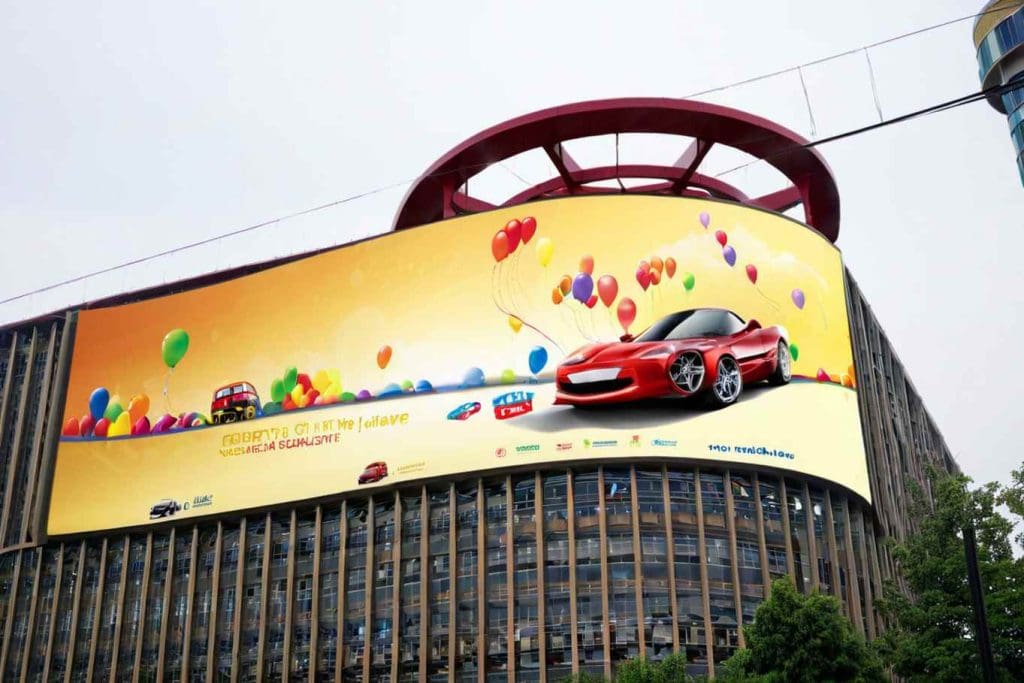
Built for harsh weather with high brightness (5,000–10,000 nits) and IP65+ waterproofing. Pixel pitches (P4–P10) suit long-distance viewing, perfect for billboards or stadiums. - LED Video Wall
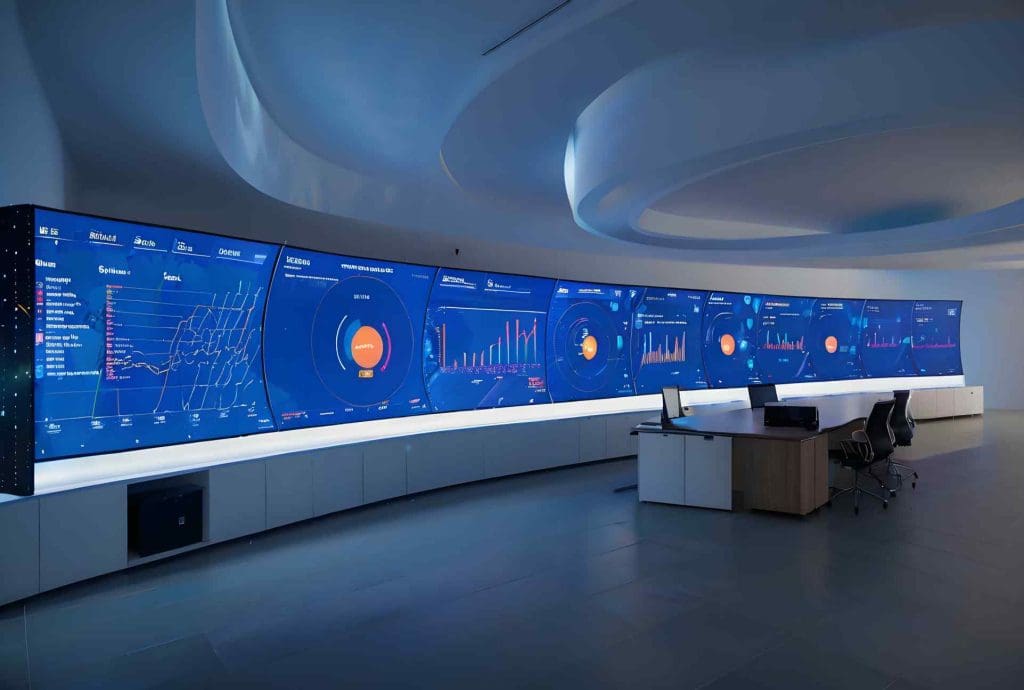
Modular panels forming seamless large displays. Used in control rooms or events, supporting 4K/8K resolutions. - Transparent LED Screen
See-through design (50%–90% transparency) for glass integrations, like storefront windows. Combines visuals with natural light. - Curved LED Screen
Bendable panels for immersive, wraparound effects. Popular in theaters or exhibitions. - Rental LED Screen
Portable and temporary setups for concerts or trade shows, with quick assembly.
| Type | Pixel Pitch Range | Brightness (Nits) | Best Applications |
|---|---|---|---|
| Indoor LED Screen | P1.2–P2.5 | 800–2,000 | Offices, Retail |
| Outdoor LED Screen | P4–P10 | 5,000–10,000 | Billboards, Stadiums |
| LED Video Wall | P1.5–P6 | 1,000–5,000 | Events, Control Rooms |
| Transparent LED Screen | P3–P7 | 2,000–5,000 | Storefronts, Architecture |
| Curved LED Screen | P2–P8 | 1,000–8,000 | Theaters, Exhibitions |
| Rental LED Screen | P2.5–P6 | 1,000–6,000 | Concerts, Trade Shows |
Key Features of LED Screens

Modern LED screens are packed with advanced features that set them apart:
- Pixel Pitch and Resolution: The distance between LEDs (e.g., P1.5 for ultra-high definition). Finer pitches deliver sharper images for close viewing.
- Brightness and Contrast: Measured in nits; high-contrast ratios (e.g., 5000:1) ensure visibility in bright environments.
- Refresh Rate: ≥3,840 Hz prevents flickering, crucial for video content.
- Viewing Angle: 140°–160° for consistent quality from sides.
- Durability and Weatherproofing: IP ratings (e.g., IP65 for outdoor) protect against dust, water, and temperatures.
- Energy Efficiency: Consumes 200–600 W/m², 40% less than LCDs, with eco-friendly certifications like RoHS.
- Smart Connectivity: HDMI, USB, Wi-Fi, and cloud management for remote updates.
- Modular Design: Easy to repair or expand without replacing the entire screen.
Expert Tip: For the best LED screen for home, look for models with HDR support for cinematic quality.
Benefits of LED Screens
LED screens offer compelling advantages, making them a superior choice over alternatives like OLED or projector systems:
- Superior Image Quality: Vivid colors (up to 16 million) and deep blacks for lifelike visuals.
- Energy Savings: Reduce electricity bills by up to 50% compared to fluorescent displays (source: U.S. Department of Energy).
- Long Lifespan and Low Maintenance: 100,000+ hours with minimal downtime; modular parts simplify repairs.
- Scalability: Build screens of any size, from 1m² to 1,000m².
- High ROI: In advertising, LED screens can increase engagement by 30% (per Outdoor Advertising Association of America).
- Environmental Friendliness: Mercury-free and recyclable, aligning with green initiatives.
- Versatility: Supports interactive touch, 3D content, and integration with AI for smart displays.
Businesses like McDonald’s have reported 20% sales growth after installing LED screens for menu boards, highlighting their revenue potential.
Applications of LED Screens
LED screens are ubiquitous, powering industries with dynamic visuals:
- Advertising and Marketing
- Outdoor LED screens for billboards and digital signage, reaching millions daily.
- Retail stores use indoor models for promotions.
- Entertainment and Events
- Concerts feature LED video walls for live feeds.
- Movie theaters adopt curved screens for immersion.
- Corporate and Education
- Conference rooms with interactive LED screens for presentations.
- Schools use them for digital blackboards.
- Sports and Stadiums
- Jumbotrons display scores and replays.
- Public and Transportation
- Airports show flight info; smart cities use for alerts.
- Home and Personal Use
- The best LED screen for home in TVs or gaming setups.
Case Study: The Beijing Olympics utilized over 400 LED screens, viewed by billions, showcasing their global scale.
Technical Specifications of LED Screens
Understanding specs helps in selection:
| Specification | Indoor LED Screen | Outdoor LED Screen |
|---|---|---|
| Pixel Pitch | P1.2–P3 | P4–P10 |
| Brightness | 800–2,000 nits | 5,000–10,000 nits |
| Refresh Rate | ≥3,840 Hz | ≥3,840 Hz |
| Viewing Angle | 140°–160° | 140°–160° |
| IP Rating | IP54 | IP65+ |
| Power Consumption | 200–400 W/m² | 400–600 W/m² |
| Lifespan | 100,000 hours | 100,000 hours |
Costs of LED Screens
LED screen price varies by type, size, and features (2023 averages):
- Indoor LED Screen: $500–$1,500 per m².
- Outdoor LED Screen: $1,000–$3,000 per m².
- LED Video Wall: $800–$2,000 per m².
- Additional: Installation ($5,000–$20,000), maintenance (5–10% annually).
Example: A 10m² outdoor LED screen (P6) costs $15,000–$25,000, with ROI in 1-2 years via ads.
Factors Affecting Price: Pixel pitch (finer = more expensive), brightness, and customization.
Buying Tips for the Best LED Screen
- Define Your Needs: Indoor vs. outdoor? Size and resolution?
- Check Pixel Pitch: Finer for close-up (e.g., best LED screen for home under P2).
- Evaluate Brightness: 5,000+ nits for outdoor.
- Read Reviews: Look for brands like Samsung or LG with warranties (2-5 years).
- Budget for Extras: Include content software and installation.
- Test Durability: Ensure IP rating and energy certifications.
- Compare Suppliers: Get quotes from 3-5 vendors; check for after-sales support.
Pro Tip: For LED screen price comparisons, use sites like Alibaba or consult experts via forums like Reddit’s r/LED.
Future Trends in LED Screens
- Micro-LED Technology: Sub-millimeter pixels for 8K+ resolutions.
- Flexible and Foldable Designs: Next-gen curved LED screens for wearables.
- AI Integration: Smart content adaptation based on audience.
- Sustainability: Eco-materials reducing carbon footprint by 20%.
- AR/VR Fusion: LED screens for mixed-reality experiences.
FAQ: Common Questions About LED Screens
- What is an LED screen used for? Advertising, events, home entertainment, and more.
- How much does an LED screen cost? $500–$3,000 per m², depending on type.
- What is the best LED screen for home? 4K models with HDR, like Samsung’s QLED series.
- Is an outdoor LED screen waterproof? Yes, with IP65+ ratings.
- How long do LED screens last? Up to 100,000 hours with proper maintenance.
- What is pixel pitch in LED screens? The distance between LEDs affecting resolution; finer pitches for sharper images.


