


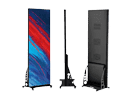




Indoor LED Screen Wholesale: A Comprehensive Guide
Indoor LED Screen Wholesale Guide: Prices, Features & Buying Tips
Purchasing Indoor LED screens wholesale is the smartest strategy for businesses, integrators, and resellers aiming to maximize ROI. Whether you are outfitting a retail chain, a corporate headquarters, or a broadcasting studio, buying in bulk offers significant cost reductions, customization flexibility, and streamlined support.
This ultimate guide covers everything you need to know about wholesale indoor LED displays, including pricing models, pixel pitch selection, and top features for 2025.

Why Buy Indoor LED Display Screens Wholesale?
For integrators and large-scale projects, purchasing single units is inefficient. Here are the top 5 advantages of opting for wholesale LED solutions:
- Significant Cost Savings: Wholesale pricing models lower the cost-per-panel, often saving 15–30% compared to retail pricing.
- Batch Consistency: Buying in bulk ensures all LED modules come from the same manufacturing batch, guaranteeing perfect color uniformity and brightness matching.
- Customization Flexibility: Wholesale suppliers can tailor cabinet sizes, refresh rates (1920Hz vs 3840Hz), and curvature to fit specific architectural needs.
- Enhanced Support & Warranty: Bulk deals frequently include spare parts packages (modules, power supplies) and extended warranties (up to 5 years).
- Higher Profit Margins: For resellers, lower acquisition costs translate directly to higher margins when selling to end-users.
Key Features of Commercial Indoor LED Screens
When evaluating indoor LED video walls, look for these technical specifications to ensure quality:
| Feature | Specification | Benefit |
|---|---|---|
| Pixel Pitch | P0.9 – P4.0 | Determines image sharpness; lower pitch equals higher resolution. |
| Brightness | 600 – 1,200 nits | Ideal for indoor lighting without causing eye strain. |
| Refresh Rate | 3840Hz+ | Essential for flicker-free visuals in broadcasting and camera feeds. |
| Viewing Angle | 160° H / 160° V | Ensures clear visibility from extreme side angles. |
| Serviceability | Front Access | Allows for quick maintenance using magnetic tools without removing the screen. |
| Lifespan | 100,000 Hours | Long-term durability reduces total cost of ownership (TCO). |
Top Applications for Indoor LED Video Walls
- Retail & Shopping Malls: High-brightness P2.5 screens for dynamic advertising and window displays.
- Corporate Lobbies: Seamless P1.5 video walls for branding and data visualization.
- Broadcasting Studios: High-refresh-rate screens (P1.2–P1.8) for flicker-free camera backdrops.
- Control Rooms: Ultra-fine pitch screens for monitoring complex data with zero bezel distraction.
- Houses of Worship: Large-scale P3 displays for lyrics and live camera feeds (IMAG).
Pixel Pitch Guide: Choosing the Right Resolution
Pixel pitch (the distance between LED clusters) is the biggest factor in both cost and visual quality. Use this rule of thumb: Viewing Distance (meters) = Pixel Pitch (mm).
| Pixel Pitch | Optimal Viewing Distance | Best Application |
|---|---|---|
| P0.9 – P1.5 | 1 – 3 Meters | Boardrooms, Control Rooms, TV Studios |
| P1.8 – P2.5 | 2 – 5 Meters | Retail Stores, Lobbies, Conference Halls |
| P3.0 – P4.0 | 5 – 10 Meters | Auditoriums, Large Churches, Event Stages |
Expert Tip: Don’t overpay for resolution you don’t need. If your audience is 10 meters away, a P1.2 screen is a waste of budget; a P3.9 will look just as sharp to them.

Wholesale Cost of Indoor LED Screens (2025 Estimates)
Pricing fluctuates based on raw material costs and chip availability. Below is a wholesale price estimation to help you budget.
Note: Prices are for the LED panels only and exclude installation/processors.
| Screen Size (Approx) | Pixel Pitch | Wholesale Price Range (USD) | Ideal For |
|---|---|---|---|
| 3 m² (Small) | P1.8 | $6,000 – $9,000 | Reception Desk / Luxury Retail |
| 8 m² (Medium) | P2.5 | $12,000 – $18,000 | Conference Room / Mall Ad |
| 18 m² (Large) | P3.9 | $25,000 – $40,000 | Stage Backdrop / Auditorium |
Hidden Costs to Consider
- Video Processor: $500 – $3,000 (Required to scale content).
- Installation Structure: Steel frames or wall mounts ($1,000+).
- Spare Parts: usually 3-5% of the total screen area (often included in wholesale).
- Shipping & Duties: Heavy freight costs for bulk pallets.
How to Choose a Reliable Wholesale LED Supplier
Not all suppliers are created equal. To protect your investment, vet manufacturers using this checklist:
- Aging Test Validation: Ensure the supplier performs a 72-hour “burn-in” test to catch early failures before shipping.
- Component Transparency: Ask what brand of LED chips (e.g., Nationstar, Kinglight) and Driver ICs (e.g., Macroblock) are used.
- After-Sales Support: Do they have local support or do you have to ship parts back to China?
- Certifications: Look for CE, RoHS, and FCC certifications, especially for government or corporate bids.
FAQ: Buying Indoor LED Screens
Q: Can I customize the shape of the screen?
A: Yes. Wholesale suppliers offer modular panels (usually 500x500mm or 500x1000mm) that can be stacked to create any aspect ratio, including 90-degree corners or curved columns.
Q: What is the lead time for wholesale orders?
A: Standard manufacturing time is 15–20 days. Sea freight shipping can take an additional 30–45 days, so plan your project timeline accordingly.
Q: Is P2 better than P3?
A: P2 has higher resolution, but it is more expensive. It is “better” only if the viewer is standing close to the screen. For a concert stage, P3 is often the better financial choice.


