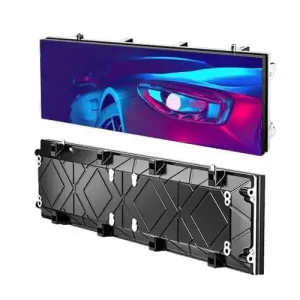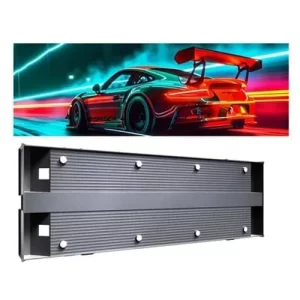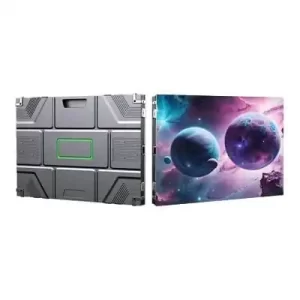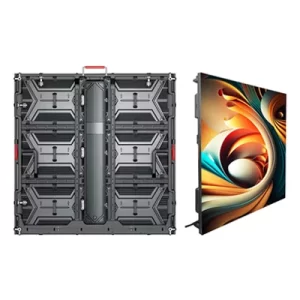






Subway LED Advertising Screens: A Comprehensive Guide
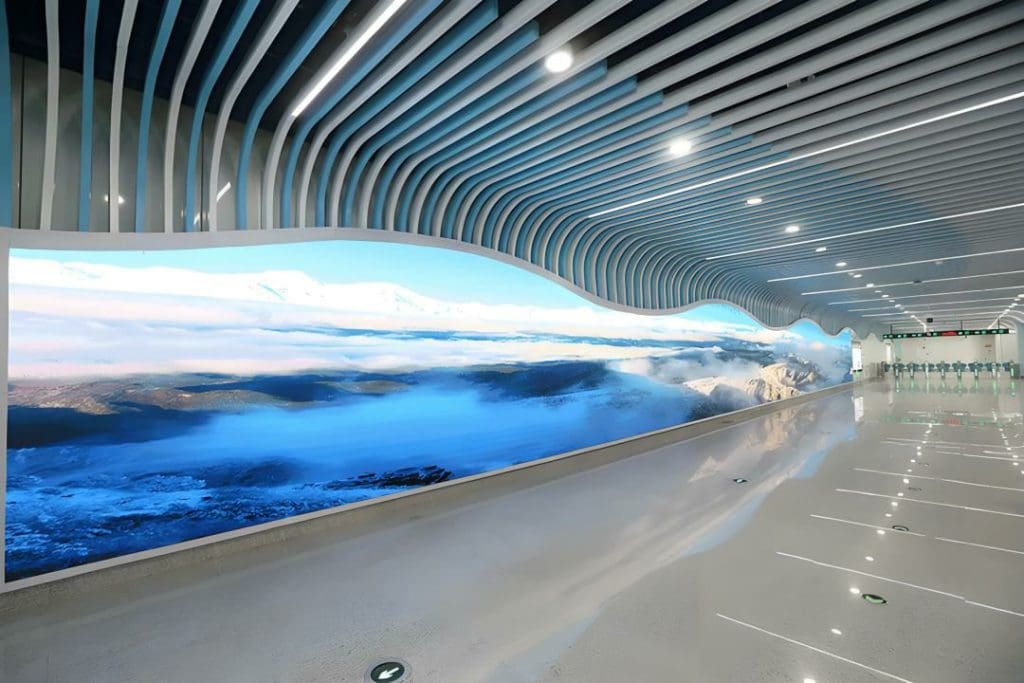
Subway LED advertising screens are dynamic digital displays installed in subway stations, platforms, and trains, designed to deliver impactful advertising and informational content to commuters. These screens use LED technology for high brightness, vivid colors, and durability, ensuring visibility even in dimly lit subway environments. As a highly effective medium for reaching large captive audiences, subway LED screens are increasingly popular among advertisers and transportation authorities alike.
What Are Subway LED Advertising Screens?
Subway LED advertising screens are advanced digital signage displays that utilize light-emitting diode (LED) technology to broadcast advertisements, public announcements, and real-time updates. They are strategically placed in high-traffic areas such as:
- Subway platforms.
- Train interiors.
- Station entrances and concourses.
- Escalators or passageways.
Key Features of Subway LED Screens:
- High-Resolution Displays: Ensures clear and sharp visuals, even for close viewing.
- Durability: Designed to withstand constant use and environmental challenges like vibrations, dust, and humidity.
- High Brightness: LED screens maintain visibility in poorly lit underground spaces.
- Dynamic Content: Capable of displaying videos, animations, or static images, making them versatile for advertising campaigns.
- Energy Efficiency: Advanced LED technology reduces power consumption.
- Wide Viewing Angles: Ensures visibility for commuters from all directions.
Benefits of Subway LED Advertising Screens
1. High Visibility
- Subway stations are high-traffic areas, with thousands of daily commuters passing through, ensuring maximum exposure for advertisements.
- LED screens are bright and easily noticeable, even in dimly lit subway environments.
2. Real-Time Content Updates
- Advertisers can quickly update campaigns or schedule ads to run at specific times of the day, targeting different commuter demographics.
3. Captive Audience
- Subway riders often spend several minutes waiting on platforms or riding trains, making LED screens an effective medium for delivering messages.
4. Cost-Effectiveness
- Compared to traditional print advertising, digital LED screens allow for multiple campaigns to run simultaneously, maximizing ROI.
5. Eco-Friendly
- LED technology consumes less energy and eliminates the need for printed materials, reducing environmental impact.
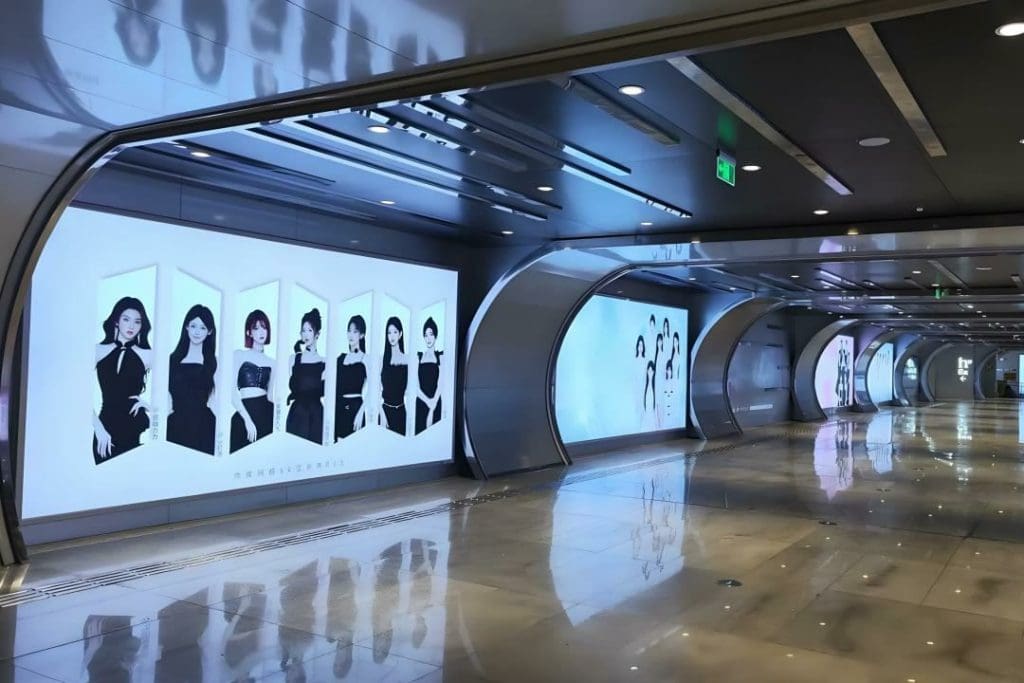
Types of Subway LED Advertising Screens
1. Platform LED Screens
- Description: Large LED screens mounted on platforms, typically above tracks or on walls.
- Best For: Broadcasting advertisements, train schedules, and public announcements.
- Features:
- High brightness for visibility in underground settings.
- Wide format for displaying videos and animations.
- Common Pixel Pitch: P2.5–P5.
2. Train Interior LED Screens
- Description: Smaller LED screens installed inside subway cars, often above doors or on walls.
- Best For: Short advertisements, real-time updates, or route maps.
- Features:
- Compact and lightweight.
- Designed to withstand vibrations and motion.
- Common Pixel Pitch: P2–P3.
3. Escalator LED Screens
- Description: Narrow, elongated LED displays placed alongside escalators.
- Best For: Continuous advertising as commuters move up or down escalators.
- Features:
- Eye-level placement for better engagement.
- Seamless visuals with modular LED panels.
- Common Pixel Pitch: P2.5–P4.
4. Station Entrance LED Screens
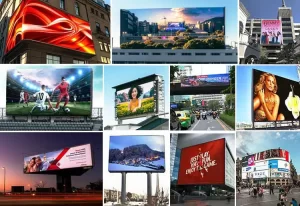
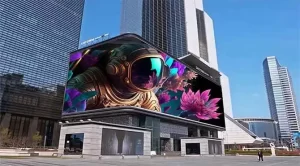
- Description: Large LED billboards placed at station entrances or concourses.
- Best For: Outdoor or semi-outdoor advertising to attract attention before commuters enter the station.
- Features:
- Weatherproof (IP65 rating).
- High brightness for visibility in sunlight.
- Common Pixel Pitch: P4–P8.
5. Transparent LED Screens
- Description: Glass-like LED displays installed on station windows or train doors.
- Best For: Unique advertising campaigns that blend with station architecture.
- Features:
- Transparent design allows light to pass through.
- Lightweight and stylish.
- Common Pixel Pitch: P3.9–P7.8.
Key Features to Look for in Subway LED Screens
When selecting or evaluating subway LED screens, consider the following critical features:
1. Pixel Pitch
- Definition: The distance between two adjacent pixels, measured in millimeters. Smaller pixel pitches provide higher resolution.
- Recommendations:
- P2–P3: For close viewing in train interiors or platform screens.
- P4–P6: For medium viewing distances, such as platforms or escalators.
- P7–P10: For large outdoor screens at station entrances.
2. Brightness
- Subway LED screens need high brightness to remain visible in underground or semi-lit environments.
- Recommended Brightness:
- Indoor screens: 800–1,500 nits.
- Outdoor screens: 3,000–5,000 nits.
3. Durability
- Subway environments are challenging due to vibrations, dust, and humidity. Ensure the screens have:
- Vibration Resistance: For train interiors or escalator displays.
- IP65 Waterproofing: For outdoor or semi-outdoor screens.
- Anti-Corrosion Materials: To prevent damage from moisture.
4. Content Management
- Modern LED screens come with CMS (Content Management Systems) that allow remote control and real-time updates.
- Look for features like:
- Cloud-based content scheduling.
- Real-time monitoring and diagnostics.
5. Energy Efficiency
- Subway stations often require multiple screens running simultaneously. Energy-efficient LED technology helps reduce operational costs.
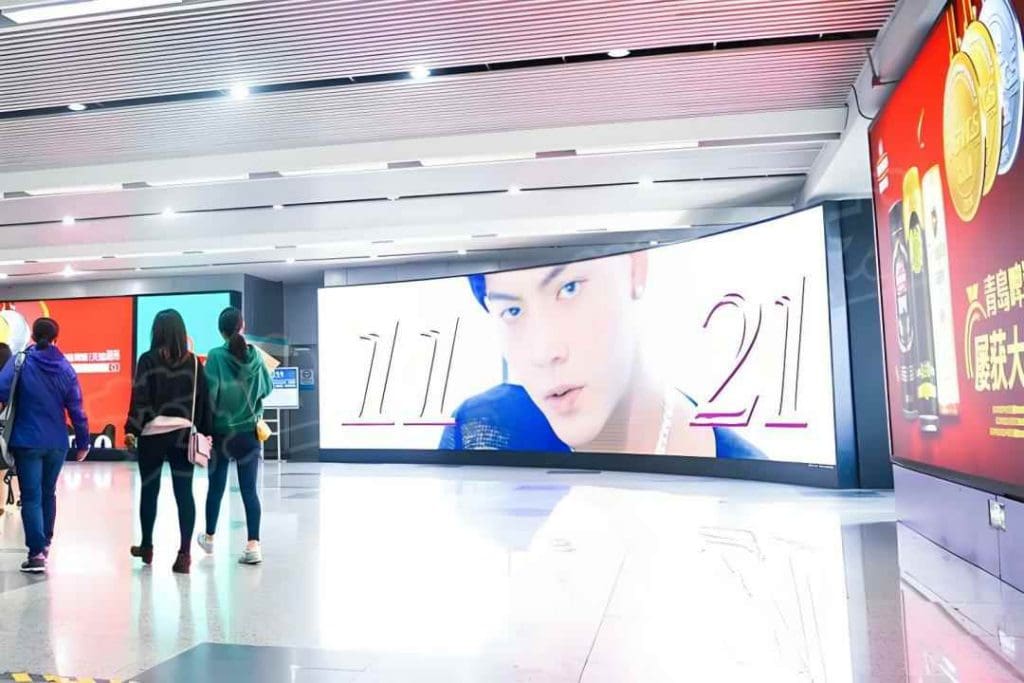
Applications of Subway LED Advertising Screens
1. Advertising
- Display video ads, promotions, or brand campaigns to capture the attention of commuters.
- Use dynamic content to adapt to different times of the day (e.g., coffee ads in the morning, restaurant ads in the evening).
2. Public Announcements
- Communicate important information, such as train delays, safety instructions, or station closures.
3. Entertainment
- Provide engaging content, such as news, sports updates, or interactive games, to entertain commuters and reduce perceived wait times.
4. Wayfinding and Maps
- Display real-time train schedules, route maps, and directions to improve commuter convenience.
Cost of Subway LED Advertising Screens
The cost of a subway LED advertising screen depends on its size, resolution, and installation complexity. Below are general price ranges:
| Screen Type | Pixel Pitch | Cost per m² (USD) | Best Use |
|---|---|---|---|
| Platform LED Screen | P2.5–P5 | $1,500–$3,000 | Advertising and announcements. |
| Train Interior Screen | P2–P3 | $2,000–$3,500 | Compact ads inside trains. |
| Escalator LED Screen | P2.5–P4 | $1,800–$3,200 | Eye-level advertising. |
| Entrance LED Billboard | P4–P8 | $2,500–$5,000 | Outdoor or semi-outdoor displays. |
Example Costs by Screen Size
| Screen Size | Pixel Pitch | Estimated Cost (USD) |
|---|---|---|
| 3m² (Small) | P2.5 | $2,500–$9,000 |
| 5m² (Medium) | P3 | $8,000–$15,000 |
| 10m² (Large) | P4 | $15,000–$30,000 |