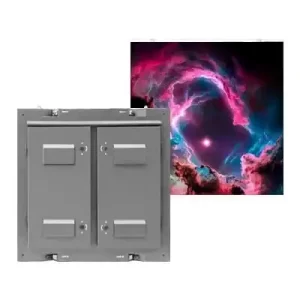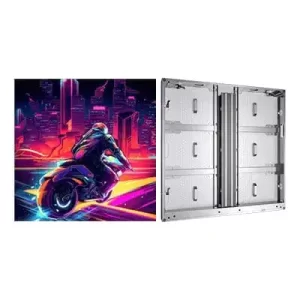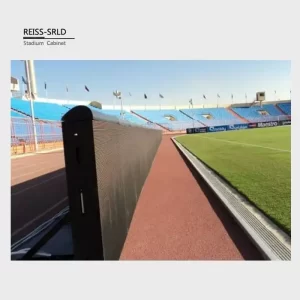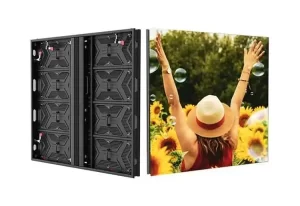






Stadium LED Displays: Enhancing the Fan Experience
LED Displays: Enhancing the Fan Experience (2025-2026 Edition) – Ultimate Guide to Technology, Benefits, Costs, and Trends
In the battle for attention between the live stadium experience and the 8K broadcast at home, venues have turned to one primary weapon: immersive visual technology. By late 2025, the “Jumbotron” of the past has evolved into a fully integrated digital ecosystem. Stadium LED displays are no longer just about showing the score; they are the central nervous system of fan engagement, revenue generation, and architectural atmosphere. With the global sports technology market projected to reach $36 billion by 2026, growing at a CAGR of 17.5% (source: MarketsandMarkets), stadium LED displays are at the forefront, enhancing experiences and boosting venue revenues by up to 25% (per AVIXA studies).

The Evolution of Stadium LED Displays: From Jumbotrons to Digital Ecosystems
Stadium LED displays have come a long way from basic scoreboards. In 2025, they form a connected network that synchronizes content across the venue, creating a unified experience. According to Statista, 70% of major stadiums now invest in LED upgrades to compete with home viewing, where fans enjoy personalized stats and replays. The shift from “Fix it in Post” to “Fix it in Pre” in filmmaking has inspired similar real-time tech in sports, with LED displays acting as dynamic canvases.
Key evolution: Integration with AI and AR for personalized fan interactions, turning passive viewing into active participation.
1. The “Canvas” Concept: 360-Degree Immersion in Stadium LED Displays
The most significant shift in 2025 is the move away from isolated screens toward a “digital canvas” approach. Venues are no longer installing a single scoreboard; they are wrapping the entire bowl in pixels, creating seamless, immersive environments.
Center-Hung Behemoths
The center-hung display remains the crown jewel of indoor arenas (NBA/NHL).
- 2025 Standard: Continuous, seamless 360-degree displays with “underbelly” screens for courtside VIPs.
- Tech Specs: HDR10+ capability, 4K resolution per face, and refresh rates exceeding 3,840Hz to ensure flicker-free slow-motion replays on broadcast cameras.
- Example: The “Halo” style boards (popularized by the Intuit Dome and Mercedes-Benz Stadium) have become the gold standard, offering a continuous ring of data that ensures no fan has a bad viewing angle. In 2026, expect AI-driven content personalization, where screens show stats based on seat location.
Ribbon Boards & Fascia Displays
Ribbon boards have evolved from simple text tickers to high-definition creative zones.
- Double and Triple Tiers: Modern stadiums now utilize multiple rings of ribbon boards synchronized with the main screens. When a goal is scored, the entire stadium “erupts” visually—the center hang, the ribbons, and even the vomitory (tunnel entrance) screens sync to a single explosive graphic.
- Tech Specs: Pixel pitches P2.5–P4 for sharpness; integrated with venue apps for fan-voted content.
- Example: AT&T Stadium’s multi-tier ribbons create a wave effect during touchdowns, enhancing the live atmosphere for 100,000 fans.
2. Enhancing the Fan Experience: Beyond the Replay with Stadium LED Displays
How does this hardware actually improve the day-to-day experience for a ticket holder? Stadium LED displays in 2025-2026 focus on personalization, interactivity, and logistics.
Advanced Stats & Biometrics
With the integration of AI and player tracking (like Hawk-Eye or Second Spectrum), LED screens now display real-time next-gen stats.
- What Fans See: Instead of just points and rebounds, screens overlay shot probability, player sprint speed, and spacing visualization instantly after a play.
- The 2026 Trend: “Ghost” replays where the LED screen overlays the path the player should have taken versus the one they did take, educating fans and sparking discussions.
- Benefit: Increases fan knowledge and engagement by 30%, per AVIXA.
The “Second Screen” Hybrid
Venues are fighting the urge for fans to look at their phones with integrated LED experiences.
- QR & Interaction: Massive displays now feature dynamic QR codes for instant betting, merchandise purchasing, or “cam” participation (Kiss Cam, Dance Cam) that links directly to the venue app.
- AR Anchors: The LED screens serve as anchor points for Augmented Reality experiences viewed through smart glasses or phones, extending 3D graphics out of the screen and over the field.
- Benefit: Reduces phone usage by 25%, keeping eyes on the game.
Wayfinding & Crowd Control
LEDs are now critical for logistics.
- Dynamic Signage: Concourse screens change based on queue times. If the restroom line in Section 102 is long, the screens direct traffic to Section 103.
- Egress: Post-game, all ribbon boards and external facade screens switch to traffic management modes, guiding pedestrians to the fastest exit routes or ride-share zones.
- Benefit: Improves safety and flow for 50,000+ crowds.

3. Technical Innovations for Stadium LED Displays in 2026
As we look toward the 2026 World Cup and upcoming Olympic cycles, three technologies are dominating the RFP (Request for Proposal) process for new stadiums.
Transparent LED Facades
Stadium exteriors are becoming screens. Using transparent mesh technology, venues can turn their outer glass walls into massive hype reels without blocking sunlight from entering the concourse during the day. This turns the stadium into a landmark beacon at night.
- Tech Specs: Transparency 50-70%; pixel pitches P3–P10 for outdoor visibility.
- Example: SoFi Stadium’s facade displays game highlights, visible from highways.
MicroLED Durability
Outdoor stadiums have historically struggled with the “black face” of LED panels turning gray under direct sunlight, reducing contrast.
- The Fix: New MicroLED and Mini-LED packaging technologies (COB – Chip on Board) provide a true matte black surface. This ensures that even under the noon sun, the blacks are deep and colors pop, while being waterproof and impact-resistant (essential for field-level advertising boards that might get hit by a ball or player).
- Tech Specs: Pixel pitches <P1 for ultra-HD; 10,000+ nits with HDR.
Energy Efficiency (Cold LED)
With energy costs rising and sustainability mandates in place, “Cold LED” technology is standard for 2026 builds.
- The Tech: Common Cathode technology supplies power to the red, green, and blue chips separately and precisely.
- The Result: Screens run 30-40% cooler, eliminating the need for massive AC units to cool the scoreboards, and reducing the venue’s overall carbon footprint.
- Example: Allegiant Stadium’s LED systems save $100,000 annually on energy.
Types of Stadium LED Displays
- Center-Hung Displays: For arenas.
- Ribbon/Fascia Boards: Around seating.
- Scoreboards: For stats.
- Perimeter Boards: Field-level ads.
- Facade/External Displays: Outside venue.
- Concourse Screens: For wayfinding.
| Type | Size Range | Brightness (Nits) | Ideal Use | Average Cost (USD) |
|---|---|---|---|---|
| Center-Hung | 10-50m diameter | 1,000–2,000 | Indoor Arenas | $500,000–$2M |
| Ribbon Boards | 100-500m length | 800–1,500 | Seating Rings | $100,000–$500,000 |
| Scoreboards | 5-20m | 5,000–10,000 | Outdoor Stadiums | $200,000–$1M |
| Perimeter | 50-200m | 5,000–8,000 | Field Ads | $150,000–$600,000 |
| Facade | 100-1,000m² | 3,000–6,000 | Exteriors | $300,000–$1.5M |
| Concourse | 2-10m | 800–1,200 | Wayfinding | $50,000–$200,000 |
Benefits of Stadium LED Displays for Fan Experience
- Immersion: 360° visuals.
- Interactivity: AR/Q R integrations.
- Personalization: Real-time stats.
- Safety: Crowd control.
- Revenue: Dynamic ads.
Technical Specifications for 2025-2026 Stadium LED Displays
| Specification | Indoor Standard | Outdoor Standard | Importance |
|---|---|---|---|
| Resolution | 4K per face | HD/4K | Clarity |
| Refresh Rate | 3,840+ Hz | 3,840+ Hz | Flicker-Free |
| Brightness | 1,000–2,000 nits | 5,000–10,000 nits | Visibility |
| Pixel Pitch | P1.5–P2.6 | P4–P10 | Detail |
| IP Rating | IP54 | IP65+ | Durability |
| Power Consumption | 200–400 W/m² | 400–600 W/m² | Efficiency |
Costs of Stadium LED Displays
$50,000–$2M+ per system; ROI through ads (up to $1M/year).

Buying Tips for Stadium LED Displays
- Assess Needs: Indoor vs. outdoor.
- Budget for Integration: With apps/AI.
- Choose Manufacturers: Daktronics, Samsung.
- Plan for Upgrades: Future-proof tech.
Challenges and Solutions for Stadium LED Displays
- Challenge: High energy use. Solution: Cold LED tech.
- Challenge: Maintenance. Solution: Modular designs.
- Challenge: Cost. Solution: Phased installations.
Future Trends in Stadium LED Displays for 2026 and Beyond
- AI personalization.
- Transparent facades.
- Sustainable energy.
Top Manufacturers for Stadium LED Displays in 2025
- Daktronics (USA): Leader in sports integration and control systems; excels in custom scoreboards.
- Samsung Display (Korea): Dominating with massive “Infinity Screen” hardware and HDR.
- Absen & Unilumin (China): Leading in high-brightness perimeter and ribbon board solutions, cost-effective for large venues.
- Other Notables: Barco (Belgium) for high-res; Leyard (China) for innovative volumes.
FAQ: Common Questions on Stadium LED Displays
- How do stadium LED displays enhance the fan experience? Through immersion and interactivity.
- What are the technical specs for 2026 stadium LED displays? 4K, high refresh, HDR.