


What Are the Different Types of Stage Screens: Ultimate Guide to Options, Features, Benefits, Costs, and Buying Tips
What are the different types of stage screens? Stage screens are visual display systems used in performances, events, and presentations to enhance the audience experience with backgrounds, videos, graphics, or interactive elements. They range from traditional fabric backdrops to advanced LED panels, each type suited to specific needs like brightness, portability, or immersion. With the global stage technology market projected to reach $12 billion by 2027, growing at a CAGR of 9.5% (source: MarketsandMarkets), knowing what are the different types of stage screens helps in selecting the right one for concerts, theaters, conferences, or festivals, potentially boosting audience engagement by 40% (per AVIXA studies).
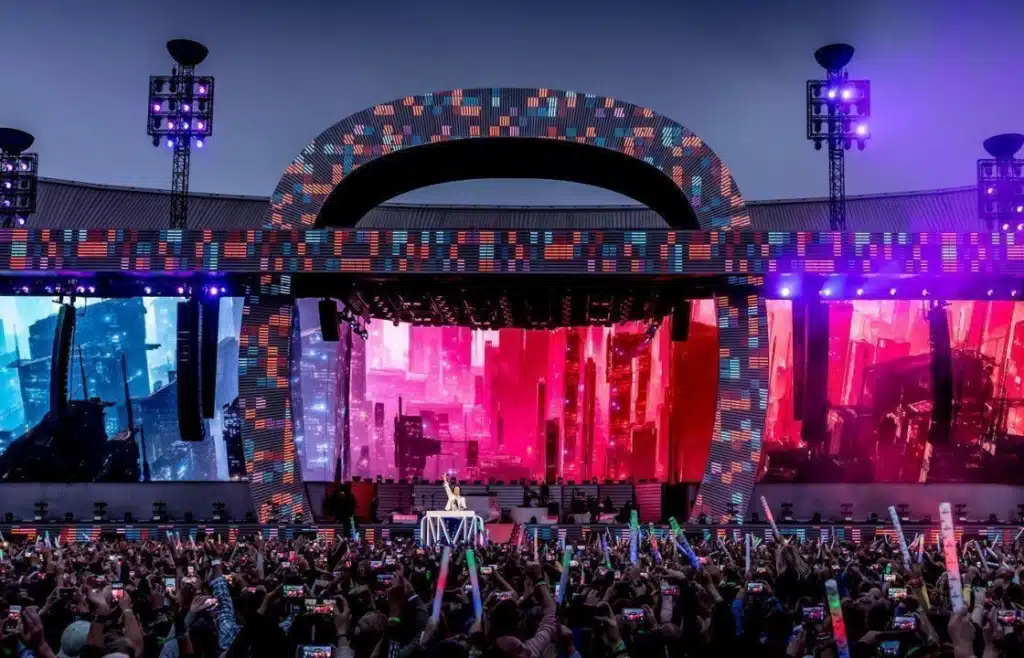
What Is a Stage Screen? A Basic Definition
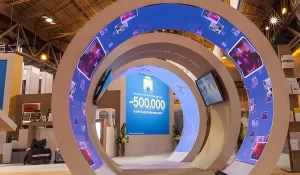
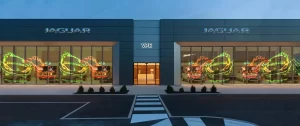
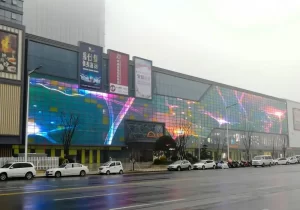
A stage screen is a large visual element positioned on or behind a performance stage to display content that supports the live action, such as scenic backgrounds, videos, text, or effects. Traditionally, stage screens were simple painted backdrops or curtains, but modern versions include digital technologies like LED panels, projection surfaces, and interactive displays. The purpose is to enhance storytelling, immersion, and audience connection.
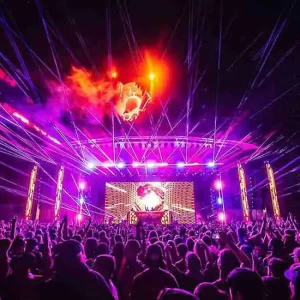
In today’s context, stage screens often refer to digital systems, with LED types dominating due to their brightness and flexibility. According to Statista, digital stage screens account for 75% of the event display market, as they offer superior resolution and durability compared to older methods. For example, in Broadway productions, stage screens provide dynamic sets that change in real-time, transforming a single stage into multiple scenes.
Understanding what are the different types of stage screens allows for better selection based on budget, venue, and creative needs.
What Are the Different Types of Stage Screens? A Detailed Breakdown
Stage screens come in various types, from traditional to high-tech. Here’s a comprehensive list with descriptions, features, and best uses:
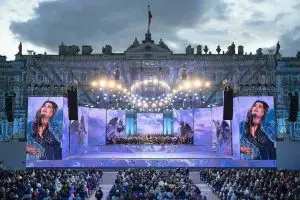
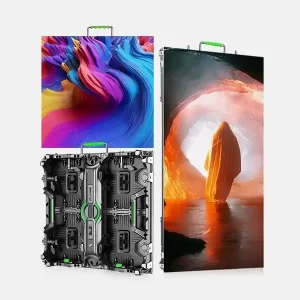
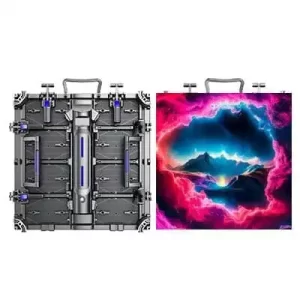
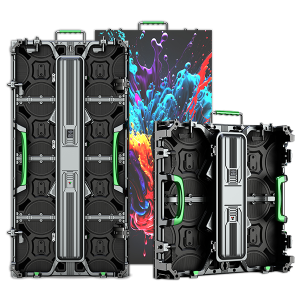
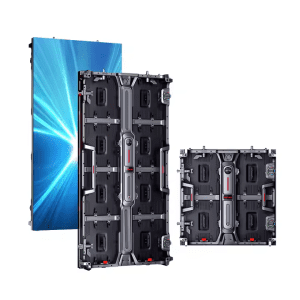
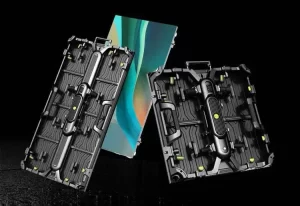
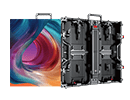
- LED Stage Screens
Description: Modular panels using LEDs for bright, high-res displays.
Features: High brightness (1,000–6,000 nits), seamless integration, customizable sizes.
Best For: Concerts and events requiring dynamic videos; durable and vibrant. - Projection Stage Screens
Description: Fabric or vinyl surfaces for projector use.
Features: Lightweight, rollable; supports rear/front projection.
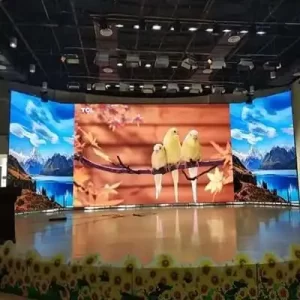
Best For: Low-budget theaters or temporary setups; cost-effective for large areas. - Curved Stage Screens
Description: Bendable LED or projection screens for wraparound effects.
Features: Flexible materials; immersive 3D-like visuals.
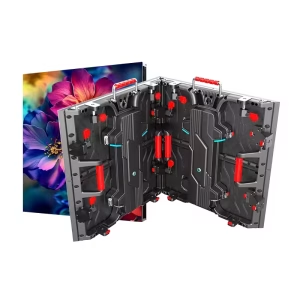
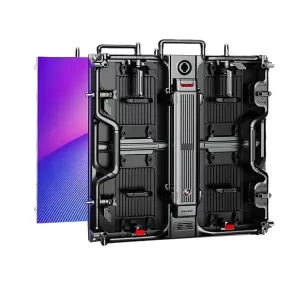
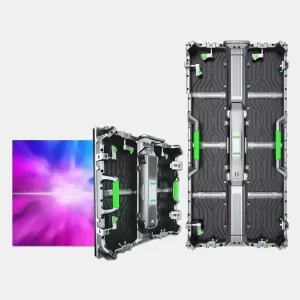
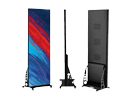
Best For: Arenas and immersive performances; enhances depth. - Portable/Rental Stage Screens
Description: Foldable or modular screens for easy transport.
Features: Quick assembly; lightweight LED or fabric.
Best For: Touring shows or festivals; ideal for temporary use. - Interactive Stage Screens
Description: Touch-enabled LED or projection with sensors.
Features: Audience interaction; integrates with apps.
Best For: Educational or participatory events; engages viewers. - Backlit Stage Screens
Description: Illuminated fabric or acrylic with internal lights.
Features: Glowing effects; semi-transparent.
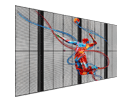
Best For: Dramatic theater backdrops; adds ambiance. - Holographic Stage Screens
Description: Transparent films for 3D hologram projections.
Features: Illusion of floating images; high-tech.
Best For: High-end concerts or product launches; wow factor. - Traditional Fabric Stage Screens (Cycloramas)
Description: Large cloth backdrops for lighting effects.
Features: Paintable or printable; low-tech.
Best For: Classic theater; budget-friendly.
| Type | Technology | Size Range | Brightness (Nits) | Best Applications | Average Cost per m² (USD) |
|---|---|---|---|---|---|
| LED | Digital LED | 2-20m | 1,000–6,000 | Concerts | $1,000–$3,000 |
| Projection | Fabric/ Vinyl | 3-15m | N/A (Projector Dependent) | Theaters | $200–$800 |
| Curved | Flexible LED/Projection | 5-15m | 1,000–5,000 | Arenas | $1,500–$2,500 |
| Portable/Rental | Lightweight LED/Fabric | 1-10m | 800–4,000 | Tours | $100–$300 (per day) |
| Interactive | Touch LED/Projection | 2-10m | 1,000–3,000 | Events | $1,800–$3,500 |
| Backlit | Illuminated Fabric | 4-12m | 500–2,000 | Drama | $300–$1,000 |
| Holographic | Transparent Film | 2-8m | N/A (Projection) | Launches | $2,000–$4,000 |
| Traditional Fabric | Cloth Backdrop | 5-20m | N/A | Classic Theater | $100–$500 |
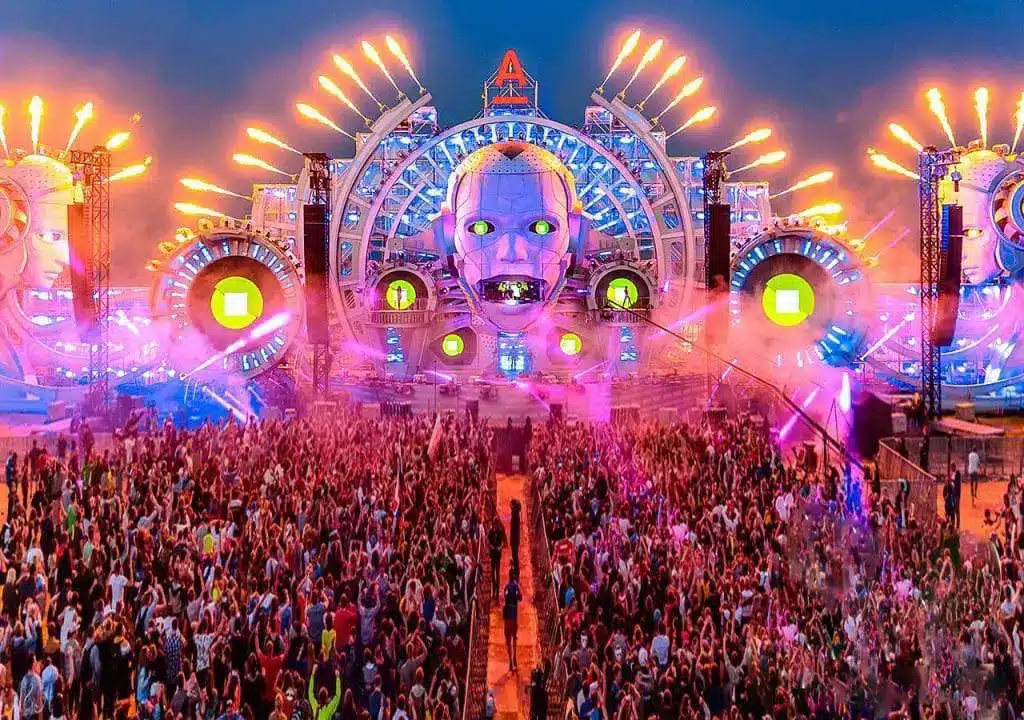
Key Features of Different Stage Screen Types
- LED: High res, bright, durable.
- Projection: Affordable, large-scale.
- Curved: Immersive, flexible.
- Portable: Easy transport, quick setup.
- Interactive: Engaging, touch-enabled.
Benefits of Using Stage Screens
- Enhanced Immersion: Create dynamic worlds.
- Versatility: For various events.
- Engagement: 40% higher audience interaction.
- Cost-Effectiveness: LED types reduce long-term expenses.
- Creativity: Enable innovative designs.
Case: Hamilton musical uses LED stage screens for seamless scene changes.
Applications of Different Stage Screen Types
- Concerts: LED for videos.
- Theaters: Projection for backdrops.
- Conferences: Interactive for presentations.
- Festivals: Outdoor LED for weather resistance.
- Corporate Events: Curved for branding.
Technical Specifications of Stage Screens
| Specification | LED Type | Projection Type |
|---|---|---|
| Resolution | HD/4K | Dependent on projector |
| Brightness | 1,000–10,000 nits | N/A |
| Refresh Rate | ≥3,840 Hz | N/A |
| Lifespan | 100,000 hours | 50,000 hours (bulb) |
| Weight | 10–30 kg/m² | 5–15 kg/m² |
Costs of Different Stage Screen Types
$100–$4,000 per m²; LED higher but more durable.
Buying Tips for Stage Screens
- Assess Event Type: LED for digital.
- Budget: Factor maintenance.
- Test: For quality.
- Warranty: 2+ years.
Installation and Maintenance Guide
- Planning: Measure stage.
- Setup: Mount securely.
- Testing: Calibrate.
- Maintenance: Clean regularly.
Costs: $5,000–$20,000 for install.
Future Trends in Stage Screens
- AI content.
- Flexible LEDs.
- AR integration.
FAQ: Common Questions on What Are the Different Types of Stage Screens
- What are the different types of stage screens for concerts? LED and curved for dynamics.
- How much do different types of stage screens cost? $100–$4,000 per m².
- What is the best type of stage screen for events? LED for versatility.