

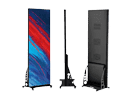




What is an LED Screens?
In today’s digitally driven world, LED screens have become a cornerstone of modern visual communication. From towering billboards in Times Square to sleek digital signage in retail stores, LED technology powers the vibrant, dynamic visuals that captivate us every day. But what exactly is an LED screen, and how does it work? This article breaks down the fundamentals—explaining the technology, types, benefits, and real-world applications of LED screens to help you make informed decisions for your business or project.
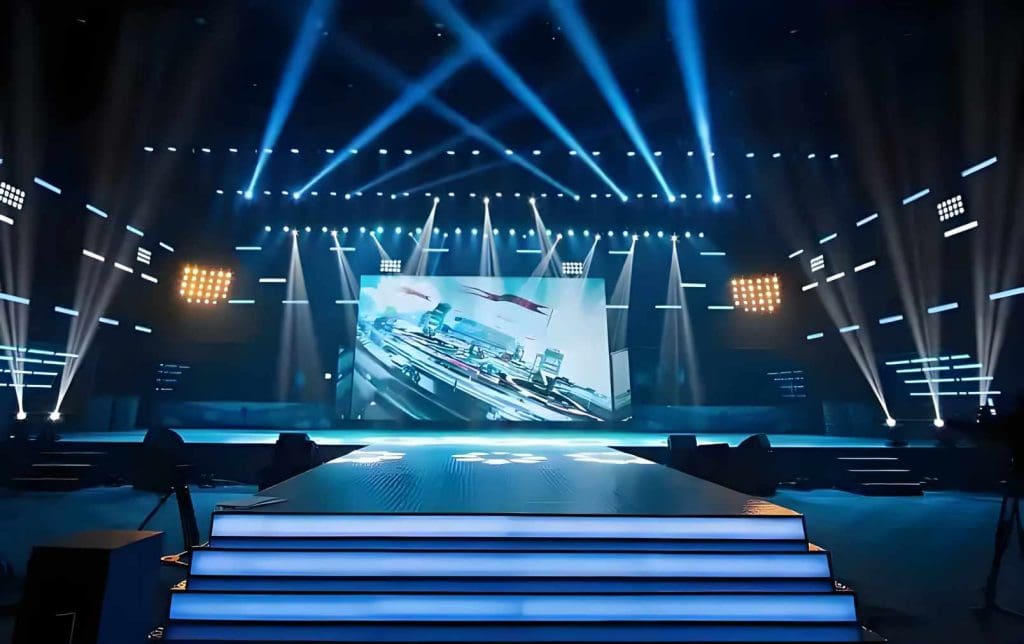
How Does an LED Screen Work?
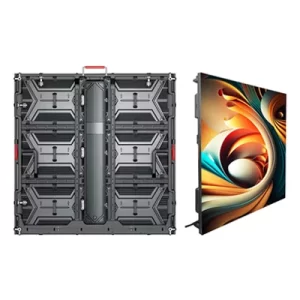
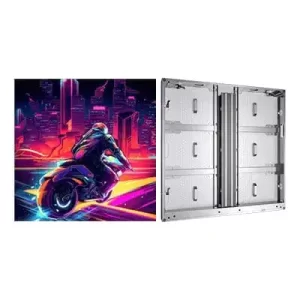
An LED screen is a flat-panel display made up of thousands—or even millions—of Light-Emitting Diodes (LEDs) that emit light directly. Unlike traditional LCD screens that use a backlight, each LED in the panel generates its own light, giving LED screens greater brightness, contrast, and energy efficiency.
The Science Behind LEDs
LEDs are semiconductors that light up when an electric current passes through them. The materials used in the semiconductors determine the color:
- Red: aluminum gallium arsenide
- Green: gallium phosphide
- Blue: indium gallium nitride
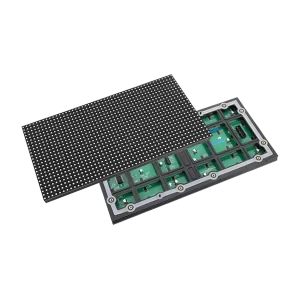
By grouping red, green, and blue LEDs together in clusters (known as pixels), LED screens can create full-color images using RGB color mixing.
What is Pixel Pitch and Why Does It Matter?
Pixel pitch refers to the distance (in millimeters) between the centers of two adjacent LED pixels. A smaller pixel pitch means a higher pixel density, which results in sharper images—especially at close viewing distances. For example:
- P1.5 or lower: ideal for close-up indoor displays (retail, exhibitions)
- P6 or higher: suitable for large-format outdoor screens like billboards
Choosing the right pixel pitch ensures your LED screen meets your resolution and viewing distance needs.
Types of LED Displays
Indoor LED Displays Screens
These are optimized for high-resolution visuals and color accuracy in controlled environments. Common applications include:
- Retail promotions
- Corporate branding
- Conference rooms and exhibitions
Most indoor LED displays use SMD (Surface-Mounted Device) technology for tighter pixel spacing and better image quality.

Outdoor LED Screens
Designed to handle sunlight, rain, wind, and dust, outdoor LED screens offer ultra-high brightness and durability. Key uses include:
- Digital billboards
- Sports stadium screens
- Transport hub signage
These often use DIP (Dual In-Line Package) LEDs for greater resilience.
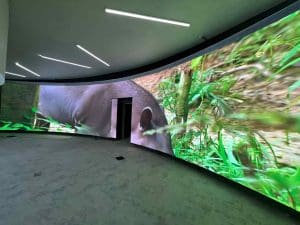
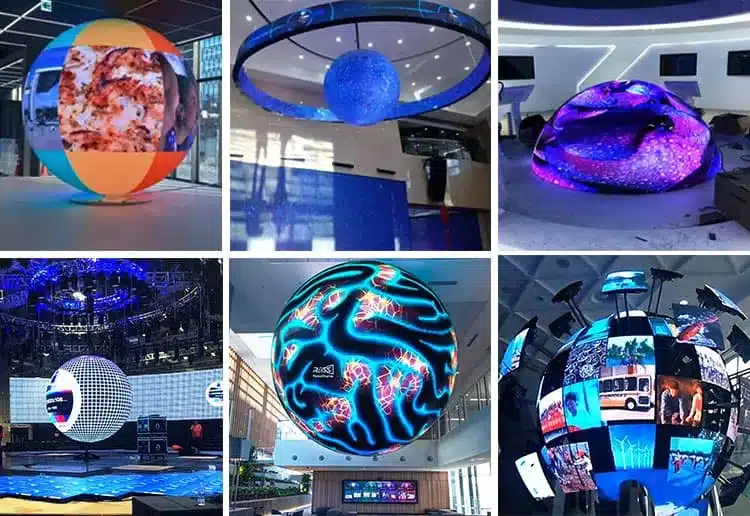
Flexible and Curved LED Screens
With bendable panels, flexible LED screens allow for creative, non-flat installations. Use cases include:
- 360° immersive environments
- Artistic architectural displays
- Curved retail window setups
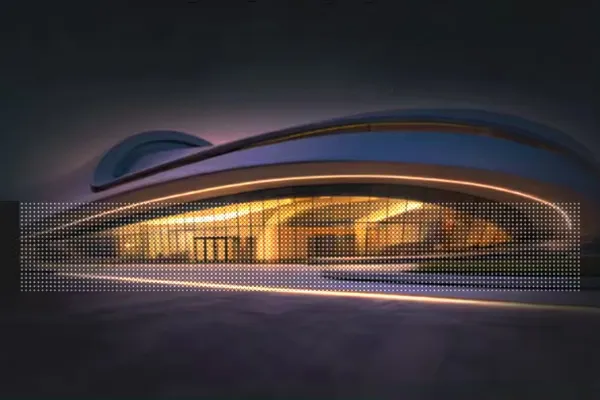
Transparent LED Displays
These screens allow light to pass through, making them ideal for glass facades and storefronts. They maintain visibility from both sides while displaying content dynamically.
Real-World Applications of LED Displays
Advertising and Digital Signage
LED billboards allow brands to update content instantly, run video ads, and engage passersby with motion graphics that outperform static posters.
Entertainment and Events
Concerts, festivals, and live sports use large-format LED video walls to display real-time footage, animated backdrops, and synchronized lighting effects.
Command and Control Centers
LED video walls are essential in control rooms for energy, transport, or surveillance industries, offering bezel-free visuals and scalable monitoring.
Education and Corporate Collaboration
Interactive LED touchscreens enhance learning and presentations. Teams can brainstorm, annotate, and share in real-time on large collaborative displays.
LED Screens vs. LCD Displays: A Detailed Comparison
While both LED and LCD displays are popular in digital signage and commercial applications, they differ significantly in performance, technology, and cost-effectiveness. Below is a detailed comparison to help you understand why LED screens are becoming the dominant choice:
| Feature | LED Screen | LCD Display |
|---|---|---|
| Brightness | Up to 10,000 nits (ideal for outdoor use) | Typically 300–700 nits (limited in daylight) |
| Contrast Ratio | Up to 1,000,000:1 due to local dimming | Around 1,000:1 to 3,000:1 |
| Viewing Angle | Wide (up to 160° both horizontal & vertical) | Narrower, with color distortion at angles |
| Power Consumption | More energy-efficient over time | Generally higher due to constant backlighting |
| Modularity | Seamless panel tiling for any size | Limited to predefined screen sizes |
| Maintenance | Front or rear serviceable modules | Usually requires full panel replacement |
| Lifespan | Over 100,000 hours | 30,000–60,000 hours average |
| Outdoor Suitability | Weatherproof, IP65+ rated models available | Requires enclosures and is less durable |
| Initial Cost | Higher upfront investment | Lower initial cost, but higher long-term costs |
Summary
While LCD displays may still be useful for desktop monitors or small indoor signage, LED screens offer superior brightness, longevity, and flexibility. Especially for large-scale or outdoor installations, LED technology delivers a better return on investment.
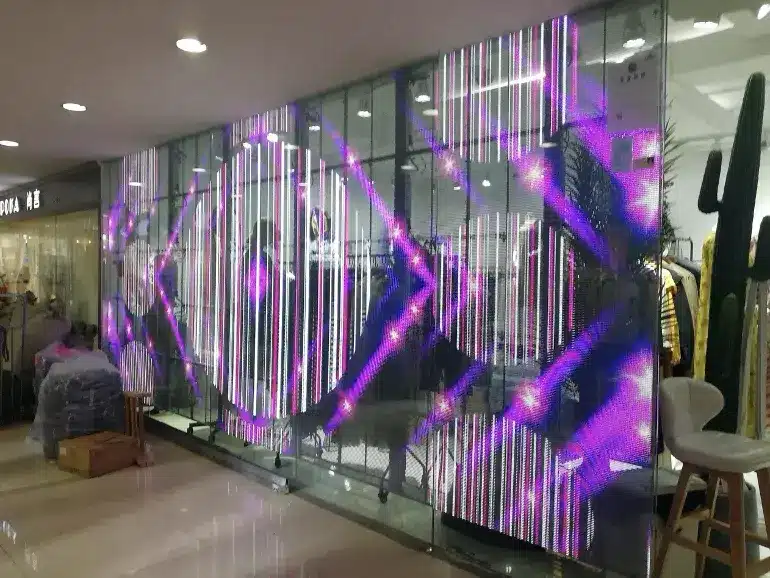
Key Advantages of LED Display Over Traditional Displays
- Brighter Visuals: With brightness levels reaching 5,000–10,000 nits, LED screens remain clear even in direct sunlight.
- Energy Efficiency: LEDs consume up to 50% less power than traditional fluorescent or LCD displays.
- Long Lifespan: Most LEDs last over 100,000 hours, making them cost-effective in the long run.
- High Contrast and Vivid Colors: Thanks to self-illuminating pixels and advanced calibration.
- Scalability: LED panels can be seamlessly tiled to create displays of any size or shape.
Choosing the Right LED Screen: Key Considerations
- Viewing Distance: Shorter distances require finer pixel pitches.
- Installation Environment: Outdoor displays need weatherproof casings and high brightness.
- Content Requirements: Video-rich applications benefit from high refresh rates and wide color gamuts.
- Budget vs. ROI: Consider upfront costs, operating expenses, and long-term durability.
The Future of LED Display Technology
As display demands grow, LED screen innovation continues to evolve. Here are the key development trends shaping the industry:
- Mini and MicroLED Breakthroughs: These ultra-small diodes offer pixel-level control, delivering unprecedented resolution and color accuracy.
- Eco-Friendly & Low-Carbon Designs: Manufacturers are shifting to energy-saving components and recyclable materials to reduce environmental impact.
- Smarter LED Systems: AI-integrated screens can auto-adjust brightness, temperature, and color tone based on audience behavior and ambient light.
- Wireless & Seamless Installations: Next-gen LED modules support tool-free assembly and wireless signal control, making setup faster and more flexible.
- Integration with AR/VR and IoT: LED displays are increasingly used in immersive spaces, from virtual retail stores to intelligent public info systems.
These trends point to a future where LED screens are not just displays, but intelligent, sustainable communication platforms across industries.
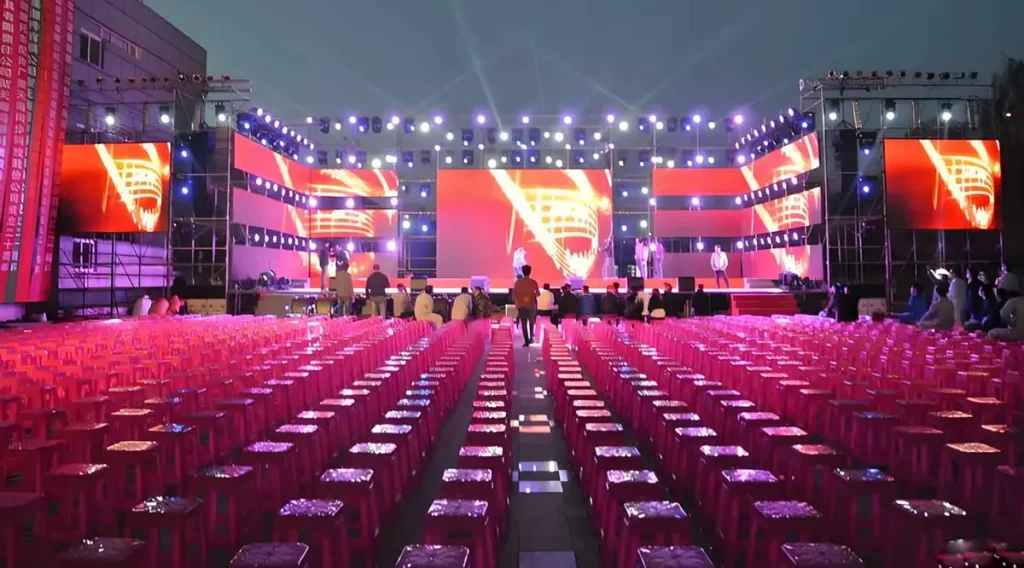
Emerging innovations will continue to expand what LED screens can do:
- MicroLEDs: Enable ultra-fine resolution for luxury TVs, AR/VR, and medical imaging.
- AI Optimization: Automatically adjust brightness and content based on real-time input.
- Transparent OLED/LED hybrids: Combine rich contrast with see-through design for retail and automotive displays.
- 3D LED Displays: Deliver depth and visual realism for immersive campaigns in public spaces.
Conclusion: Why LED Screens Dominate the Display Industry
LED screens are more than a display—they’re an immersive communication tool that adapts to virtually any setting. With superior brightness, durability, and flexibility, they outperform traditional display tech in every key metric. Whether you’re installing a digital billboard or outfitting a high-end showroom, understanding how LED screens work and selecting the right type will help you maximize impact and ROI.
If you’re looking for expert guidance on choosing or customizing an LED screen for your project, contact us today—we’ll help you find the perfect solution.
FAQ
-
What is the difference between an LED screen and an LCD screen?
LED screens use self-emissive diodes for brightness and contrast, while LCDs use backlighting. LEDs are brighter, more durable, and better for outdoor use.
-
How long does an LED screen last?
Most high-quality LED screens last over 100,000 hours, or more than 10 years of continuous use.
-
Can LED screens be used outdoors?
Yes. Outdoor LED screens are weatherproof, IP65-rated, and offer high brightness levels to ensure visibility in sunlight.
-
Are LED screens energy-efficient?
Absolutely. They consume significantly less power than traditional LCD and fluorescent displays, reducing both cost and carbon footprint.
-
Is a smaller pixel pitch always better?
Not always. A smaller pixel pitch provides higher resolution but is only necessary when viewers are close to the screen. For long-distance viewing, larger pitches are more cost-effective.