




What Is a Stage Screen: Ultimate Guide to Types, Features, Benefits, Costs, and Applications for Events and Performances
What is a stage screen? A stage screen is a large visual display used on performance stages to enhance shows with projected or digital content, such as videos, graphics, live feeds, and effects. In modern contexts, stage screens often refer to LED-based systems (LED stage screens) that provide high-resolution, bright visuals for concerts, theaters, conferences, and events. These screens transform stages into immersive environments, with the global stage technology market projected to reach $12 billion by 2027, growing at a CAGR of 9.5% (source: MarketsandMarkets). Understanding what is a stage screen helps in selecting the right type for your needs, whether for a small theater or a massive festival, potentially increasing audience engagement by 40% (per AVIXA studies).
Stage Screen
What Is a Stage Screen? A Detailed Definition
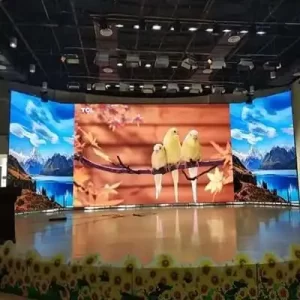
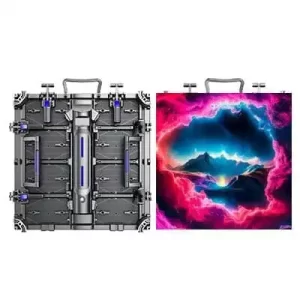
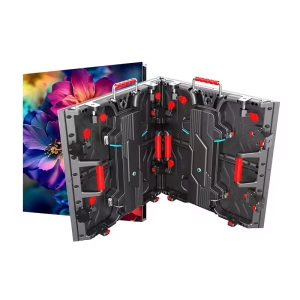
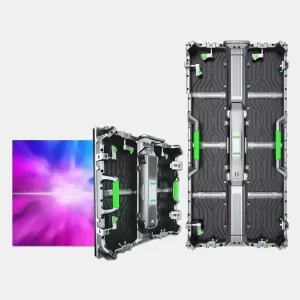
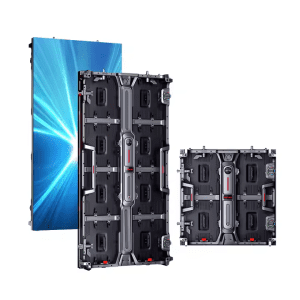
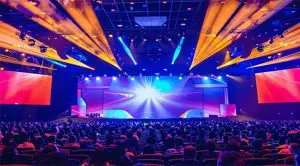
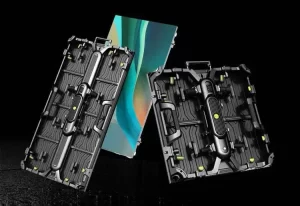
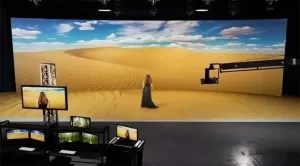
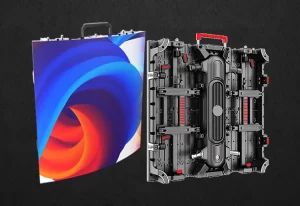
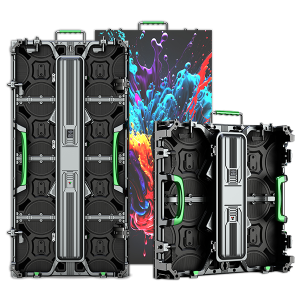
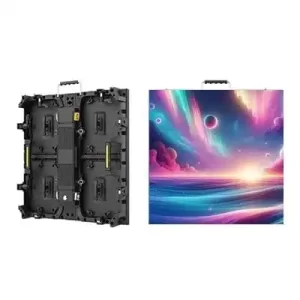
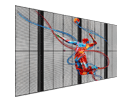
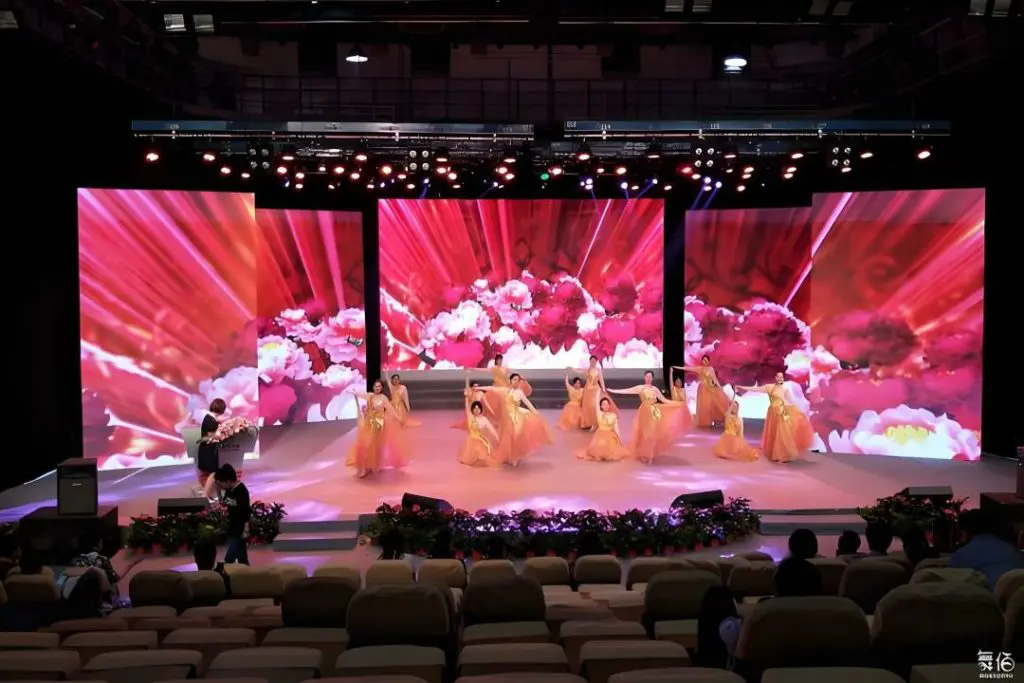
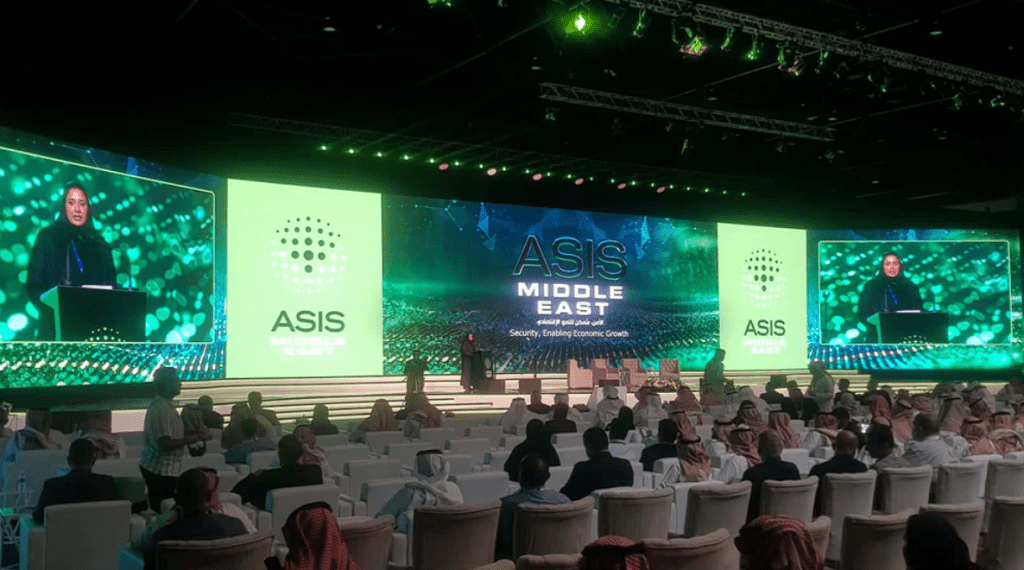
A stage screen is a visual aid placed on or behind a performance stage to display content that complements the live action, such as backgrounds, videos, text, or interactive elements. Traditionally, stage screens were simple fabric backdrops or projection surfaces, but today, they often mean advanced LED stage screens—modular panels using light-emitting diodes for bright, high-resolution displays. These screens can be fixed, portable, or curved, with sizes ranging from 2m x 1m for small stages to 20m x 10m for arenas.
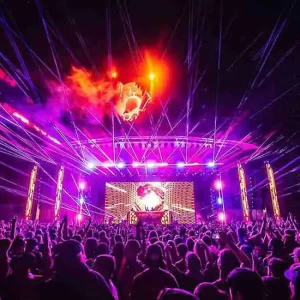
The primary purpose is to enhance storytelling and immersion. For example, in concerts, stage screens show artist visuals or crowd cams; in theaters, they provide dynamic sets. According to Statista, LED-based stage screens dominate 70% of the event display market, as they offer superior brightness (up to 6,000 nits) and durability compared to projectors. A key advantage is their ability to operate in low-light stage conditions without washing out.
In essence, what is a stage screen? It’s the canvas that brings performances to life, evolving from basic projections to high-tech LED systems for modern entertainment.
Types of Stage Screens
Stage screens come in various types, from traditional to advanced LED models. Here’s a detailed overview:
- LED Stage Screens
Description: Modular LED panels for high-res visuals.
Best For: Concerts with dynamic content. - Projection Stage Screens
Description: Fabric or vinyl for projector use.
Best For: Low-budget theaters. - Curved Stage Screens
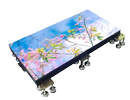
Description: Bendable LED or projection for immersion.
Best For: Arenas with wraparound effects. - Portable/Rental Stage Screens
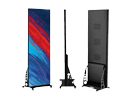
Description: Lightweight, foldable LED panels.
Best For: Touring events. - Interactive Stage Screens
Description: Touch or sensor-enabled LED.
Best For: Audience participation. - Outdoor Stage Screens
Description: Weatherproof LED with high brightness.
Best For: Festivals.
| Type | Material/Tech | Size Range | Brightness (Nits) | Ideal Applications | Average Cost per m² (USD) |
|---|---|---|---|---|---|
| LED | LED Panels | 2-20m | 1,000–6,000 | Concerts | $1,000–$3,000 |
| Projection | Fabric/Vinyl | 3-15m | N/A (Projector Dependent) | Theaters | $200–$800 |
| Curved | Flexible LED | 5-15m | 1,000–5,000 | Arenas | $1,500–$2,500 |
| Portable/Rental | Lightweight LED | 1-10m | 800–4,000 | Tours | $100–$300 (per day) |
| Interactive | Touch LED | 2-10m | 1,000–3,000 | Participatory Events | $1,800–$3,500 |
| Outdoor | Weatherproof LED | 5-25m | 5,000–10,000 | Festivals | $1,200–$3,000 |
Key Features of Stage Screens
- Resolution and Pitch: Fine for detail.
- Brightness: For stage lighting.
- Durability: For transport.
- Interactivity: For engagement.
- Portability: For quick setup.
Benefits of Stage Screens
- Immersion: Enhance performances.
- Versatility: For various events.
- Engagement: 40% higher.
- Durability: Long lifespan.
- ROI: Boost revenue.
Case: Broadway uses LED stage screens for dynamic sets.
Applications of Stage Screens
- Concerts: Visual effects.
- Theaters: Backdrops.
- Conferences: Presentations.
- Festivals: Outdoor shows.
- Corporate: Branding.
Technical Specifications of Stage Screens
| Specification | LED Stage Screen | Projection Stage Screen |
|---|---|---|
| Resolution | HD/4K | Dependent on projector |
| Brightness | 1,000–10,000 nits | N/A |
| Refresh Rate | ≥3,840 Hz | N/A |
| Lifespan | 100,000 hours | 50,000 hours (bulb) |
| Weight | 10–30 kg/m² | 5–15 kg/m² |
Costs of Stage Screens
$200–$3,500 per m²; LED higher but more durable.
Buying Tips for Stage Screens
- Assess Needs: Indoor/outdoor?
- Budget: Factor maintenance.
- Test: For quality.
- Warranty: 2+ years.
Installation and Maintenance Guide
- Planning: Measure stage.
- Setup: Mount securely.
- Testing: Calibrate.
- Maintenance: Clean regularly.
Costs: $5,000–$20,000 for install.
Future Trends in Stage Screens
- AI content.
- Flexible LEDs.
- AR integration.
FAQ: Common Questions on What Is a Stage Screen
- What is a stage screen for concerts? LED display for visuals.
- How much does a stage screen cost? $200–$3,500 per m².
- What is the best stage screen for events? LED for versatility.