






Immersive 3D Transparent LED Screen
Immersive 3D Transparent LED Screen: Ultimate Guide to Features, Benefits, Applications, Costs, and Buying Tips
An immersive 3D transparent LED screen is a cutting-edge display technology that combines transparent LED panels with 3D visual effects to create captivating, see-through experiences where digital content appears to float in space. These screens allow light to pass through (up to 80% transparency) while projecting holographic-like 3D images, making them ideal for retail, events, museums, and architecture. With the global transparent display market projected to reach $10 billion by 2027, growing at a CAGR of 45% (source: MarketsandMarkets), immersive 3D transparent LED screens are revolutionizing interactive visuals by blending the physical and digital worlds seamlessly.
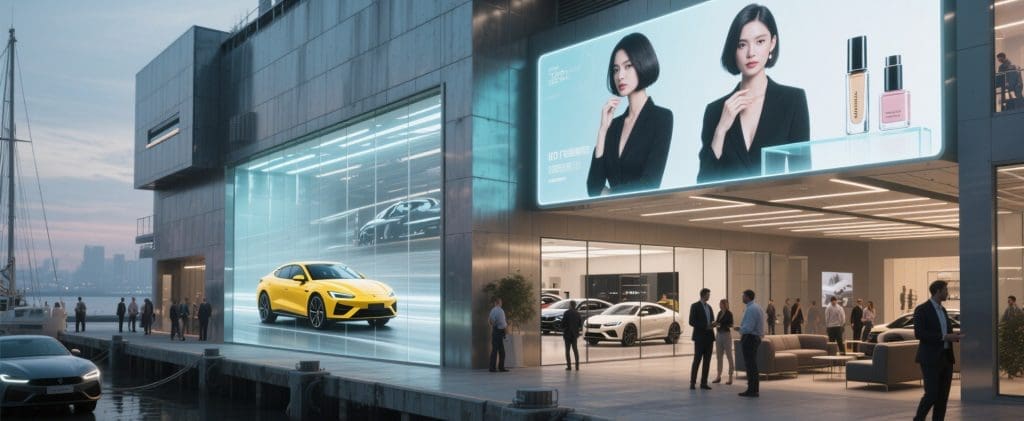
What Is an Immersive 3D ?
An immersive 3D transparent LED screen is a display system that uses transparent LED panels to project three-dimensional visuals while maintaining high transparency, allowing viewers to see through the screen to the background. This technology employs advanced LED arrays with optical films or software to create depth and 3D effects, such as floating holograms or layered animations, without needing special glasses. The “immersive” aspect comes from the screen’s ability to blend digital content with the real environment, creating a sense of depth and interaction.
Unlike standard 2D transparent LEDs, these screens incorporate 3D rendering via multi-layer LEDs or software algorithms, achieving transparency levels of 50-80%. According to Statista, adoption in retail and events has grown 60% since 2020, as brands like Nike use them for window displays that make products appear to “pop out” in 3D. These screens are thin (1-5mm), lightweight, and energy-efficient, making them versatile for both indoor and semi-outdoor use.
In practice, immersive 3D transparent LED screens turn glass surfaces into interactive canvases, enhancing experiences in ways traditional displays cannot.
Types of Immersive 3D Transparent LED Screens
Immersive 3D transparent LED screens vary by design and functionality. Here’s a detailed overview:
- Standard Immersive 3D Transparent LED Screens
Applications: Retail windows or partitions.
Features: Fixed 3D effects with 60-80% transparency.
Best For: Basic holographic displays. - Flexible Immersive 3D Transparent LED Screens
Applications: Curved surfaces or wearables.
Features: Bendable with 3D depth; 50-70% transparency.
Best For: Creative architecture. - Interactive Immersive 3D Transparent LED Screens
Applications: Touch-based exhibits.
Features: Gesture sensors for 3D interaction.
Best For: Museums and retail. - Large-Format Immersive 3D Transparent LED Screens
Applications: Building facades.
Features: Scalable with multi-layer 3D; high transparency.
Best For: Public art. - Holographic Immersive 3D Transparent LED Screens
Applications: Events or stages.
Features: Fan-based or projection 3D effects.
Best For: Performances. - Automotive Immersive 3D Transparent LED Screens
Applications: Vehicle windows.
Features: Head-up display (HUD) with 3D overlays.
Best For: Cars and transportation.
| Type | Transparency Range | 3D Effect Type | Brightness (Nits) | Ideal Applications | Average Cost per m² (USD) |
|---|---|---|---|---|---|
| Standard | 60-80% | Software 3D | 200–500 | Retail Windows | $2,000–$4,000 |
| Flexible | 50-70% | Layered 3D | 150–400 | Curved Surfaces | $2,500–$5,000 |
| Interactive | 50-70% | Gesture 3D | 300–600 | Exhibits | $3,000–$6,000 |
| Large-Format | 60-80% | Multi-Layer 3D | 400–800 | Facades | $4,000–$8,000 |
| Holographic | 70-90% | Projection 3D | 200–500 | Events | $3,500–$7,000 |
| Automotive | 60-80% | HUD 3D | 300–500 | Vehicles | $1,500–$4,000 |
Key Features of Immersive 3D Transparent LED Screens
These screens offer innovative capabilities:
- High Transparency: 50-90% light passage for see-through effects.
- 3D Immersion: Layered LEDs or software for depth without glasses.
- Vivid Visuals: High contrast and colors; resolutions up to 4K.
- Thin Design: 1-5mm thick for seamless integration.
- Wide Angles: 178° viewing with no distortion.
- Energy Efficiency: Low power (50-150 W/m²).
- Interactivity: Touch/gesture support.
- Durability: Scratch-resistant; IP-rated for semi-outdoor.
These create magical experiences.
Benefits of Immersive 3D Transparent LED Screens
- Enhanced Immersion: 3D effects boost engagement 50%.
- Aesthetic Integration: Blend with environments.
- Space Savings: No bulky frames.
- Energy Efficiency: Save 40% on power.
- Versatility: For multiple uses.
- Durability: Long lifespan.
- High ROI: Increase sales 30% in retail.
- Innovation: Stand out with tech.
Case: Pepsi’s 3D window displays increase traffic 40%.

Applications of Immersive 3D Transparent LED Screens
- Retail: 3D product showcases.
- Events: Holographic stages.
- Museums: Interactive exhibits.
- Architecture: Smart glass.
- Automotive: Dashboards.
- Advertising: Dynamic ads.
Case: London’s stores use them for AR shopping.
Technical Specifications of Immersive 3D Transparent LED Screens
| Specification | Details |
|---|---|
| Transparency | 50-90% |
| Resolution | HD/4K |
| Brightness | 150–800 nits |
| Viewing Angle | 178° |
| Thickness | 1-5mm |
| Power Consumption | 50–150 W/m² |
| Lifespan | 30,000–50,000 hours |
How to Choose the Right Immersive 3D Transparent LED Screen
- Transparency: For aesthetics.
- 3D Type: Software vs. hardware.
- Size: Match to space.
- Budget: Balance with ROI.
Installation Guide for Immersive 3D Transparent LED Screens
- Planning: Assess surface.
- Mounting: Adhere to glass.
- Calibration: Set 3D effects.
- Testing: Check immersion.
- Maintenance: Clean gently.
Costs: $1,000–$5,000.
Costs of Immersive 3D Transparent LED Screens
$1,500–$8,000 per m². ROI in 6-12 months.
Future Trends in Immersive 3D Transparent LED Screens
- Higher transparency.
- AI 3D rendering.
- Flexible hybrids.
FAQ: Common Questions About Immersive 3D Transparent LED Screens
- What is an immersive 3D transparent LED screen? See-through display with 3D effects.
- How much does an immersive 3D transparent LED screen cost? $1,500–$8,000 per m².
- What is the best immersive 3D transparent LED screen for retail? Interactive models.


