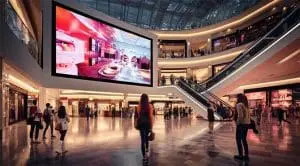


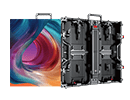




When it comes to LED displays, many buyers are tempted by low-cost options that seem like a good deal initially. However, low-quality LED displays often come with hidden costs due to their high failure rates, frequent maintenance needs, and short lifespan. Despite their seemingly lower upfront price, these displays end up being more expensive over time due to repairs, downtime, and replacement costs.
Here’s a detailed explanation of why low-quality LED displays can have a relatively high price upfront, yet result in poor performance and high maintenance costs:
1. Why Are Low-Quality LED Displays Priced Relatively High?
1.1 Inferior Materials at a Marked-Up Price
- Low-Quality Components: Manufacturers of low-quality displays often use cheap materials, such as:
- Unreliable LED Chips: Inferior chips with low brightness and poor energy efficiency.
- Poor-Quality Driver ICs: Resulting in uneven brightness and flickering.
- Weak Power Supplies: Prone to voltage fluctuations and overheating.
- Why the Price Seems High:
- These manufacturers often mark up prices to make their products appear competitive or to create an illusion of quality.
- Lack of economies of scale compared to reputable manufacturers can also result in higher production costs, which are passed on to the buyer.
1.2 Lack of Quality Control
- Low-quality displays are often produced with minimal testing or quality assurance processes. This reduces the manufacturer’s production costs, but the savings are not always fully passed on to the buyer.
- Hidden Costs:
- The lack of proper testing leads to hidden defects, which may only show up after installation, increasing failure rates and post-sale expenses.
1.3 Shortcuts in Manufacturing
- Low-quality manufacturers may cut corners during production, such as:
- Using non-certified materials that don’t meet safety or performance standards.
- Skipping important steps like color calibration or aging tests.
- These shortcuts reduce manufacturing costs but often result in premature failures, leaving buyers to bear the cost of repairs and replacements.
2. Why Do Low-Quality LED Displays Have a High Failure Rate?
2.1 Poor-Quality LED Chips
- Inferior LED Chips:
- Low-quality chips degrade much faster, resulting in decreased brightness and uneven color.
- They are less energy-efficient and more prone to overheating.
- Impact:
- Early failure of the LED modules leads to dead pixels, uneven brightness, or complete screen failure.
2.2 Unstable Driver ICs
- Low-Grade ICs:
- Cheap ICs can’t handle high refresh rates, resulting in flickering and ghosting issues.
- They fail to deliver consistent current to the LEDs, causing unstable performance.
- Impact:
- Poor visual quality and frequent replacements of driver boards increase maintenance costs.
2.3 Weak Power Supplies
- Substandard Power Supplies:
- Low-quality power supplies often fail to manage voltage fluctuations and are prone to overheating.
- Impact:
- Frequent power failures and overheating lead to screen blackouts or damaged components, requiring costly repairs or replacements.
2.4 Poor Cabinet Design
- Low Durability Materials:
- Cabinets made from cheap plastic or low-grade aluminum are more prone to deformation, corrosion, and poor heat dissipation.
- Impact:
- Poor structural integrity leads to overheating, reduced lifespan, and safety risks, especially in outdoor environments.
2.5 Lack of Testing
- Low-quality displays are often not subjected to rigorous testing, such as:
- Waterproof testing for outdoor screens.
- Aging tests to check for long-term performance stability.
- Calibrations to ensure brightness and color uniformity.
- Impact:
- The lack of testing increases the likelihood of hidden defects that can cause failures soon after installation.
3. Why Are Maintenance Costs Higher for Low-Quality LED Displays?
3.1 Frequent Repairs
- Higher Failure Rates:
- Components like LED chips, driver ICs, and power supplies fail more often in low-quality displays.
- Hidden Costs:
- Replacing these components frequently incurs labor costs, downtime costs, and the cost of spare parts.
3.2 Short Lifespan
- Inferior Materials:
- Low-quality screens typically degrade faster and have a shorter lifespan, often lasting only a few years instead of the standard 8–10 years for high-quality displays.
- Replacement Costs:
- Frequent replacements drive up total ownership costs, making the initial savings negligible.
3.3 High Energy Consumption
- Inefficient Components:
- Subpar LED chips and driver ICs consume more energy, leading to higher electricity bills over time.
- Hidden Cost:
- While energy consumption may not be obvious initially, it significantly increases the total operating costs.
3.4 Downtime and Lost Revenue
- Unreliable Performance:
- Frequent screen failures result in downtime, which can disrupt advertising campaigns or events.
- Hidden Costs:
- Lost advertising revenue due to screen outages far outweighs the initial savings from purchasing a cheaper product.
3.5 Poor After-Sales Support
- Limited or No Warranty:
- Many low-quality manufacturers provide inadequate warranties or after-sales support.
- Hidden Costs:
- Buyers are left to bear the full cost of repairs and maintenance without manufacturer assistance.
4. Why Are High-Quality LED Displays More Cost-Effective in the Long Run?
4.1 Durable Components
- Premium LED Chips:
- Last longer, maintain brightness, and offer consistent performance.
- Reliable Driver ICs and Power Supplies:
- Ensure stable operation, reducing failure rates and repair frequency.
4.2 Rigorous Quality Control
- High-quality manufacturers subject their displays to extensive testing, such as:
- Waterproof and dustproof testing for outdoor screens.
- Aging tests to ensure long-term durability.
- Color calibration for uniform brightness and color accuracy.
4.3 Lower Maintenance Costs
- Fewer failures and longer-lasting components mean reduced repair costs and downtime.
4.4 Energy Efficiency
- High-quality LED chips and driver ICs consume less energy, significantly reducing electricity costs over time.
4.5 Strong After-Sales Support
- Reputable manufacturers offer comprehensive warranties and technical support, helping to minimize long-term costs.
At first glance, low-quality LED displays may seem like a cost-effective option due to their lower upfront prices. However, their high failure rates, frequent maintenance needs, and short lifespans make them far more expensive in the long run. Hidden costs such as repairs, downtime, and lost opportunities can quickly outstrip the initial savings.
On the other hand, investing in a high-quality LED display ensures durability, reliability, and lower operational costs, making it the smarter choice for businesses looking for long-term value.
Looking for a Reliable LED Display Solution?
We provide high-quality LED displays designed for performance, durability, and cost-effectiveness. Contact us for a tailored solution that meets your needs: