





Key Requirements for Purchasing Stage LED Screen?
How to Choose the Right Stage LED Screen
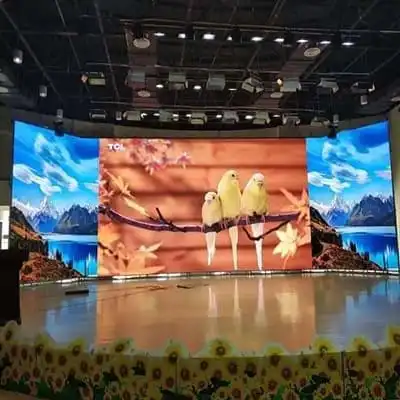
Stage LED screens are the core visual equipment for modern performances and events. Choosing the right stage LED screen requires careful consideration of factors such as pixel pitch, brightness, refresh rate, quick maintenance features, and support for advanced technologies like Extended Reality (XR). This ensures the screen meets the dynamic needs of the stage and delivers an exceptional visual experience for the audience.
Core Features of Stage LED Screens
1. High Brightness and Contrast
- High-brightness screens (≥1000 nits) ensure clear visuals even under strong lighting conditions.
- Dynamic contrast enhances color richness and visual appeal, improving the stage’s overall impact.
2. Pixel Pitch and Resolution
- Choose an appropriate pixel pitch based on audience distance: smaller pixel pitch provides higher resolution, ideal for close-range viewing.
- High-resolution screens deliver sharp and detailed visuals for a more lifelike experience.
Design and Installation of Stage LED Screens
1. Modular Design
Modular design allows for quick assembly and disassembly, making it ideal for frequent stage setups. Lightweight aluminum cabinets improve transport and installation efficiency.
2. Creative Curved Installation
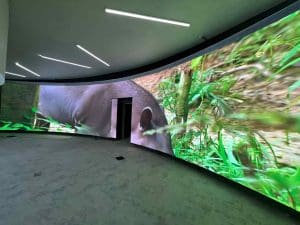
Support for curved and irregular screen designs meets creative stage requirements, providing an immersive visual experience.
3. Fixed and Rigging Systems
Flexible installation options (such as rigging or ground support) ensure the screen’s safety and stability while accommodating different stage designs.
Quick Maintenance and Fault Handling Features
Quick maintenance is a crucial feature for modern stage LED screens:
- Front and Rear Maintenance: Enables module replacement from both the front and rear of the screen, simplifying repair processes.
- Modular Components: The screen is divided into independent units, making it easy to replace damaged parts quickly.
- Real-Time Monitoring System: Intelligent monitoring features allow continuous monitoring of screen performance and quick fault detection.
- Backup Power Design: Redundant power systems ensure the screen continues operating in case of power failure.
Advanced Features with XR (Extended Reality) Support
XR technology is becoming an essential application for stage LED screens, combining virtual environments with real-world stages to create revolutionary visual experiences:
- High Refresh Rate and Low Latency: Screens supporting XR require a refresh rate above 3840Hz and ultra-low latency for real-time synchronization and smooth visuals.
- Color Accuracy: High color gamut and precise color reproduction seamlessly blend virtual scenes with real stages, enhancing immersion.
- Enhanced Interactivity: With XR technology, performers can interact with virtual scenes, providing a more engaging experience for the audience.
- Multi-Camera Synchronization: Supports multi-camera synchronization to ensure virtual backgrounds and live actions transition seamlessly across different perspectives.
- Virtual Studio Applications: In virtual studios, LED screens serve as background walls, using XR technology to enable dynamic scene switching and real-time content display.
Key Considerations for Choosing Stage LED Screens
When selecting stage LED screens, it is important to focus not only on basic performance parameters and quick maintenance capabilities but also on support for cutting-edge features like XR. LED screens with XR functionality can enhance stage performance and infuse performances and events with a sense of innovation and technological advancement.
H3 Applications of Stage LED Screens
1. Music Concerts and Performances
LED screens with high refresh rates and XR functionality deliver stunning visuals for concerts, while virtual scenes add diversity and a futuristic feel to the performances.
2. Corporate Events and Product Launches
In corporate events, XR-enabled LED screens can showcase virtual product demonstrations, holographic scenes, and dynamic content, elevating technological appeal and brand image.
3. Outdoor Stage Performances
For outdoor events, choose LED screens with high brightness, quick maintenance, and XR support to ensure stable visual effects in complex environments while incorporating virtual scenes to enhance performances.
4. Film Production and Virtual Studios
Stage LED screens combined with XR technology are ideal for film production and virtual studios. Dynamic backgrounds and real-time interactive scenes significantly improve production efficiency.
By considering quick maintenance features and XR technology support, you can select the most suitable stage LED screen for your specific requirements, delivering an immersive, technologically advanced visual experience for your audience.