





How to Design a Concert LED Display Screen
Designing a Concert LED Display Screen
Determine the Display Size and Resolution
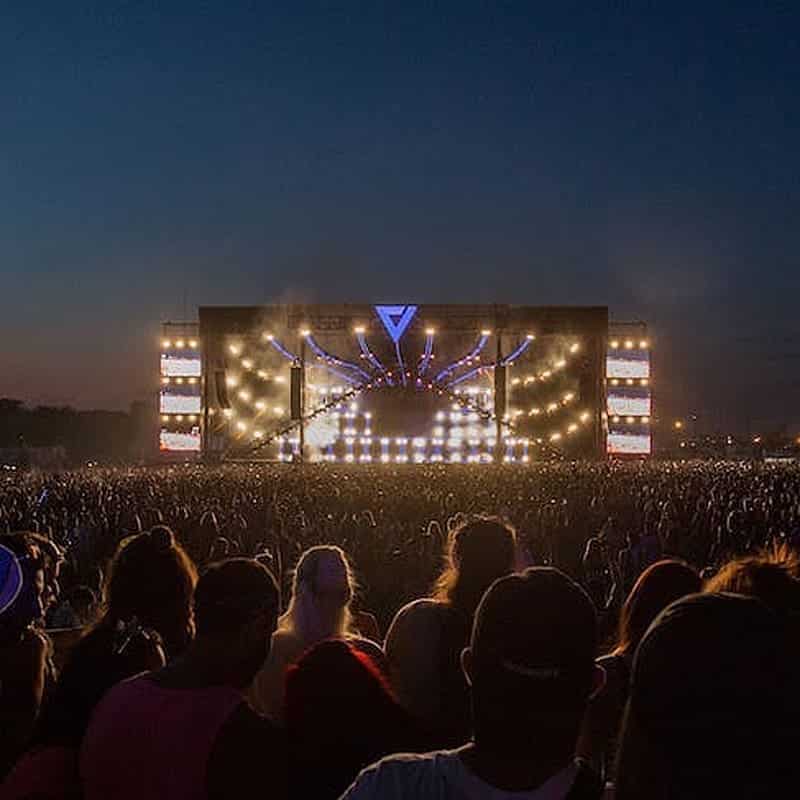
Measure the available space where the LED screen will be installed, and determine the appropriate size and resolution based on the viewing distance. Consider the aspect ratio and pixel density to ensure that the content is displayed clearly.
Key Considerations:
- Viewing Distance: Calculate the optimal size based on the furthest viewer.
- Aspect Ratio: Choose a ratio that complements the content (e.g., 16:9).
- Pixel Density: Ensure high resolution for clarity and detail.
Select the LED Technology
Choose the appropriate LED technology for the concert display screen. Common options include LED video walls, LED panels, or LED curtains. Consider factors like brightness, color accuracy, viewing angle, and energy efficiency.
LED Technology Choices:
- LED Video Walls: Suitable for large, fixed installations.
- LED Panels: Versatile for modular setups.
- LED Curtains: Lightweight and flexible for creative designs.
- Brightness and Color Accuracy: Ensure visibility and vibrancy.
Create a Layout Design
Sketch the layout of the LED screen placement in relation to the stage and audience. Consider the best viewing angles and visibility for different areas of the venue. Ensure that the screen is positioned at an optimal height for clear visibility.
Layout Design Tips:
- Best Viewing Angles: Position the screen for optimal sightlines.
- Visibility: Ensure all sections have a clear view.
- Optimal Height: Align with stage design and seating arrangements.
Content Planning
Determine the type of content you want to display on the LED screen during the concert. This content can include live video feeds, pre-recorded videos, graphics, animations, and text. Consider the timing and synchronization of the content with the live performance.
Content Types:
- Live Video Feeds: Capture real-time performances.
- Pre-Recorded Videos: Enhance the show with pre-produced content.
- Graphics and Animations: Add visual interest and dynamism.
- Text: Display important information or lyrics.
Content Creation and Formatting
Create the content for the LED screen using professional design software. Ensure that the content is formatted correctly for the LED display, taking into account the resolution and aspect ratio. Optimize the content for maximum impact and legibility.
Content Creation Guidelines:
- Professional Software: Use tools like Adobe Premiere or After Effects.
- Resolution and Aspect Ratio: Format to match the display specifications.
- Optimization: Enhance visuals for clarity and impact.
Consider Integration with Lighting and Sound Systems
Coordinate with the lighting and sound teams to integrate the LED display screen seamlessly into the overall concert production. Ensure that the screen does not interfere with the lighting effects and that the audio and video are synchronized.
Integration Strategies:
- Lighting Coordination: Ensure the screen complements lighting effects.
- Audio Synchronization: Align video with music cues.
- Seamless Production: Work closely with production teams.
Test and Calibrate the Display
Once the LED screen is installed, test and calibrate it to ensure proper functioning and color accuracy. Adjust the brightness and contrast settings to match the lighting conditions of the venue.
Testing and Calibration Steps:
- Functionality Checks: Verify all systems work correctly.
- Color Accuracy: Calibrate for true-to-life colors.
- Brightness and Contrast: Optimize for ambient lighting.
Monitor and Control System
Set up a monitoring and control system to manage the LED display screen during the concert. This can include software for content scheduling, remote control capabilities, and troubleshooting.
Monitoring and Control Solutions:
- Content Scheduling: Automate content changes.
- Remote Control: Operate the screen from backstage or control rooms.
- Troubleshooting: Quickly resolve any issues.
Consider Safety and Maintenance
Ensure that the LED display screen is installed securely and meets safety regulations. Plan for regular maintenance and cleaning to keep the display in optimal condition.
Safety and Maintenance Practices:
- Secure Installation: Follow safety guidelines.
- Regular Maintenance: Schedule routine checks and cleanings.
- Cleaning: Keep the screen free from dust and debris.
Rehearsals and Adjustments
Conduct rehearsals and make any necessary adjustments to the content, positioning, or settings based on the visual impact during the live performance.
Rehearsal Focus:
- Visual Impact: Evaluate the effectiveness of the display.
- Adjustments: Fine-tune content and settings as needed.
Conclusion
By carefully determining the display size and resolution, selecting the right LED technology, designing an effective layout, planning and creating engaging content, integrating with lighting and sound systems, testing and calibrating the display, setting up a monitoring and control system, ensuring safety and maintenance, and conducting thorough rehearsals, you can design a concert LED display screen that enhances the overall concert experience for the audience.