





How to choose stage LED screen size and solution ?
Sizes and Applications of Stage LED Screens
Stage LED screens play a vital role in modern events, with their size and application varying depending on the context. Choosing the right LED screen size (such as small, medium, or large stage LED screens) not only enhances the audience’s visual experience but also maximizes the event’s effectiveness. Whether it’s an indoor LED screen or an outdoor LED screen, they differ in terms of resolution, brightness, and protection levels, providing flexible solutions for various events.
Choosing the Right LED Screen Size
How to Select the Appropriate LED Screen Size
When selecting a stage LED screen, size is one of the most critical factors. Small events usually require screens measuring 3m × 2m to 5m × 3m, while medium events might need screens measuring 6m × 4m to 8m × 5m. For large events, such as music festivals or sports games, LED screens of 12m × 8m or larger are ideal. In addition to size, factors such as viewing distance, venue space, and audience size must also be considered.
Various Applications of Stage LED Screens
Stage LED screens are suitable for a wide range of scenarios, including conferences, weddings, exhibitions, and concerts. Indoor LED screens typically have higher resolution and moderate brightness, making them ideal for close-up viewing. Outdoor LED screens, on the other hand, focus on being waterproof, dustproof, and highly bright to meet the needs of outdoor environments and long-distance viewing. Selecting the right LED screen for the application ensures the success of the event.
Features of Outdoor and Indoor LED Screens
Advantages of Outdoor LED Screens
Outdoor LED screens feature high brightness, waterproof and dustproof capabilities, and can withstand various harsh weather conditions. These screens are ideal for advertising, outdoor music festivals, and large sports events. With brightness levels typically above 3,000 nits, they ensure clear visibility even under direct sunlight.
Characteristics of Indoor LED Screens
Indoor LED screens offer high resolution (e.g., P2.5 or smaller) and are commonly used for conferences, weddings, and indoor concerts. Since they don’t require waterproof or windproof designs, indoor screens focus more on fine image quality and color performance, making them suitable for short-distance viewing.
Modular Design of LED Screens
Modern LED screens are often modular in design, with standard panel sizes of 500mm × 500mm or 500mm × 1000mm. This modularity allows the screens to be assembled into various sizes and shapes, meeting the personalized needs of different events.
Installation and Configuration of Stage LED Screens
The installation and configuration of stage LED screens should account for venue conditions, the nature of the event, and the audience experience. The aspect ratio of the screen should align with the overall stage design, while the installation structure must ensure safety. Whether indoors or outdoors, professional technical support is essential to ensure the smooth execution of the event.
Optimal Applications for Small LED Screens
Small LED screens (e.g., 3m × 2m) are ideal for conference rooms or small wedding venues. They offer high resolution and clear visuals, perfect for close-up viewing. Moreover, small screens are easier to install and dismantle, saving time and labor.
Versatility of Medium-Sized LED Screens
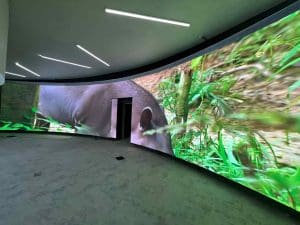
Medium-sized LED screens (e.g., 6m × 4m) are perfect for corporate events and medium-sized concerts. These screens balance resolution and viewing distance, making them suitable for both indoor and outdoor events. For enhanced visual effects, the screen can also be extended into curved or split-screen designs.
Impact of Large LED Screens
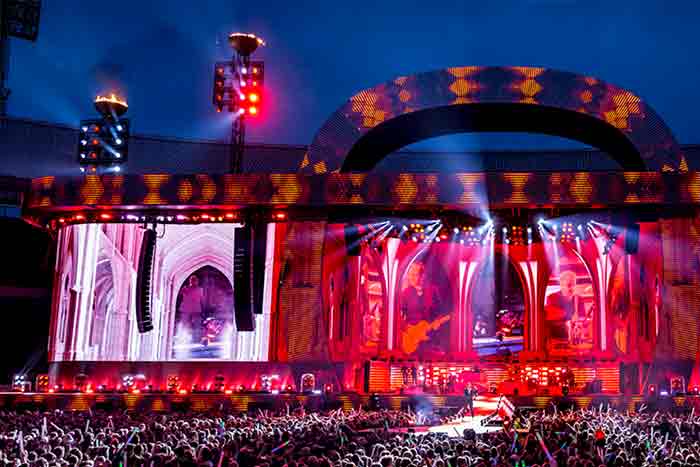
Large LED screens (e.g., 12m × 8m or larger) are commonly used for music festivals or sports events. These screens cover wide audience areas, and their high brightness and wide viewing angles ensure that every attendee can see the content clearly. Large screens can also be integrated with stage lighting and sound systems, creating an immersive event experience.
Installation Considerations for LED Screens
When installing LED screens, it is crucial to ensure the stability of the frame structure, especially for outdoor screens that must withstand strong winds and harsh weather. Indoor screens, on the other hand, should consider cable management and venue aesthetics. Additionally, the technical team must fine-tune the screens to ensure optimal display quality.
Maintenance and Upkeep of LED Screens
Proper maintenance of LED screens is essential, particularly for outdoor screens, which require regular checks for waterproofing and wind resistance. Indoor screens need to be cleaned and protected from moisture affecting internal electronic components. Regular maintenance can extend the lifespan of the screens and ensure reliable performance.