







Art Museum LED Screens: Merging Technology and Creativit
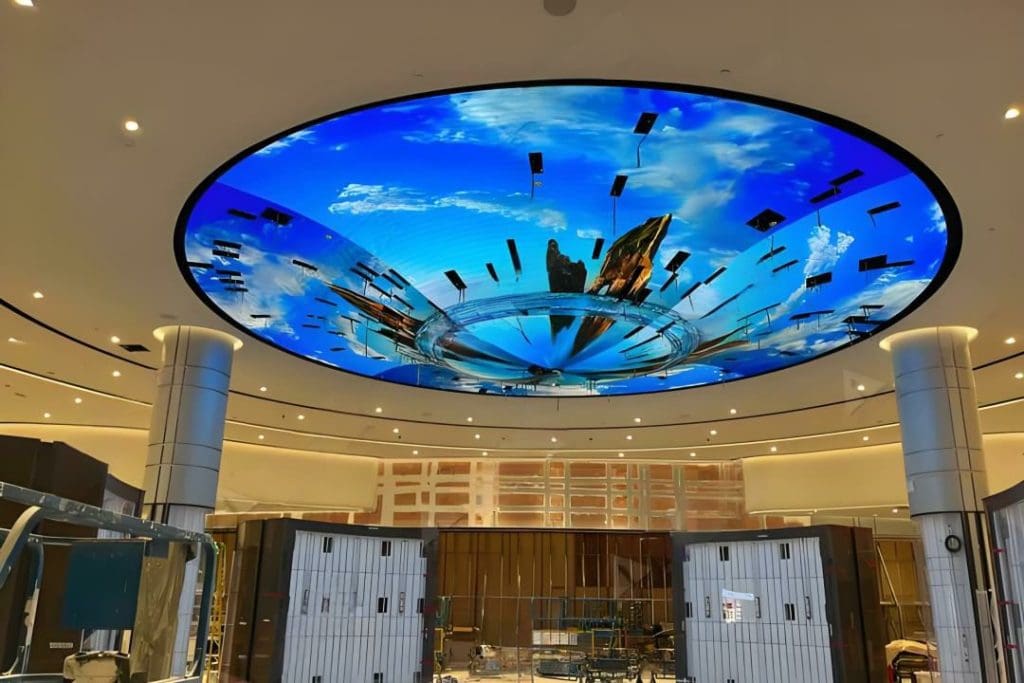
An art museum LED screen is a state-of-the-art digital display designed to showcase artwork, interactive installations, and educational content in a visually stunning way. These screens bring a modern dimension to traditional art spaces by enabling dynamic exhibits, immersive experiences, and interactive storytelling.
Art museums worldwide are increasingly embracing LED screens to enhance visitor engagement, display digital creations, and provide a platform for innovative artistic expression.
What Is an Art Museum LED Screen?
To begin with, an art museum LED screen uses light-emitting diode (LED) technology to display high-resolution visuals, making it an ideal medium for presenting artwork in a digital format. These screens are highly customizable and serve a variety of purposes, ranging from showcasing traditional art digitally to creating interactive installations and immersive environments.
Key Features of Art Museum LED Screens:
- Ultra-High Resolution: Displays artwork with incredible clarity and color accuracy.
- Customizable Sizes and Shapes: Adaptable to fit unique spaces, walls, or ceilings.
- Seamless Design: Modular panels create a smooth, gap-free display for uninterrupted visuals.
- Wide Viewing Angles: Ensures perfect visibility from all directions.
- Durability: Designed for long-term use with high resistance to wear and tear.
- Energy Efficiency: Advanced LED technology minimizes power consumption.
Benefits of LED Screens in Art Museums
Now, let’s explore the benefits of using LED screens in art museums.
1. Showcase Dynamic Content
First and foremost, LED screens allow museums to display digital artwork, animations, and video installations that wouldn’t be possible with traditional methods. Moreover, rotating exhibitions becomes much easier, as physical installations are no longer required.
2. Enhance Visitor Engagement
In addition to showcasing content, LED screens help create interactive exhibits where visitors can engage directly. For instance, motion sensors or touchscreens can make the experience more immersive, encouraging deeper exploration.
3. Preserve Original Artwork
Another key advantage is that LED screens can display high-resolution digital replicas of fragile or rare pieces. This not only reduces the risk of damage to the originals but also provides visitors with detailed magnifications for closer inspection.
4. Create Immersive Environments
Furthermore, using large LED walls, curved displays, or transparent panels allows museums to create immersive spaces that transport visitors into the artwork. By combining visuals with soundscapes and lighting, museums can offer a truly multi-sensory experience.
5. Support Digital Artists
Additionally, LED screens provide a platform for artists specializing in digital media and video art to showcase their work. This encourages innovation and attracts younger, tech-savvy audiences.
6. Improve Accessibility
Finally, LED screens make exhibits more accessible by displaying multilingual guides, captions, or descriptions, ensuring that a wider audience can enjoy and understand the content.

Types of LED Screens for Art Museums
To cater to different artistic needs, art museum LED screens come in various types, each suited for specific applications.
1. LED Video Walls
To start with, LED video walls are large-scale displays made of modular LED panels that create a seamless, high-resolution surface. These are ideal for digital artwork, video installations, or immersive exhibits.
- Common Pixel Pitch: P1.2–P2.5.
2. Transparent LED Screens
Next, transparent LED screens are semi-transparent displays that blend with the architecture while showcasing digital content. These are perfect for glass walls, museum facades, or modern art installations.
- Common Pixel Pitch: P3.9–P7.8.
3. Curved LED Screens
For a more unique approach, curved LED screens are flexible displays that can wrap around surfaces or create stunning 360° environments. These are best for immersive exhibits or unconventional architectural spaces.
- Common Pixel Pitch: P2–P4.
4. Interactive LED Screens
Moving on, interactive LED screens allow visitors to interact with the display through touch or gestures. These are particularly effective for educational exhibits, collaborative projects, or storytelling.
- Common Pixel Pitch: P2–P3.
5. Immersive LED Ceilings and Floors
Lastly, LED panels installed on ceilings or floors provide fully immersive environments. These are perfect for transforming entire rooms into interactive or 3D spaces.
- Common Pixel Pitch: P3–P5.
Applications of LED Screens in Art Museums
With these types of LED screens in mind, let’s delve into how they can be used in art museums.
1. Digital Art Exhibitions
First, museums can display video art, digital paintings, and multimedia installations on ultra-high-resolution LED screens. This opens up opportunities to showcase works from digital artists in a museum-quality setting.
2. Educational Installations
Second, interactive LED screens can provide historical context, artist biographies, or in-depth analyses of art pieces. Additionally, captions and multilingual guides improve accessibility for international audiences.
3. Immersive Experiences
Third, museums can create rooms with LED walls, ceilings, and floors to immerse visitors in artwork or themed environments. When combined with audio, these installations become truly captivating.
4. Event Hosting
Moreover, LED screens can serve as backdrops for workshops, lectures, or live performances, enhancing the ambiance and engaging audiences.
5. Museum Branding and Wayfinding
Finally, installing LED screens in entrances or lobbies can provide branding opportunities and display important announcements, upcoming events, or wayfinding instructions.

Key Features to Look for in Art Museum LED Screens
Now that we’ve covered the applications, let’s focus on the features that ensure a high-quality LED screen for art museums.
1. Pixel Pitch
To begin with, pixel pitch—the distance between two adjacent pixels—is crucial for resolution.
- Recommendations:
- P1.2–P2.5: For high-resolution close-up displays.
- P3–P5: For larger screens viewed from a distance.
2. Brightness
In controlled lighting environments, moderate brightness levels are sufficient.
- Recommended Brightness: 800–1,200 nits.
3. Color Accuracy
Additionally, screens with HDR (High Dynamic Range) capabilities provide lifelike detail and vibrant colors, essential for displaying artwork.
4. Customization
For museums with unique spaces, look for screens that can be customized into creative shapes or sizes.
5. Content Management Systems (CMS)
Lastly, a user-friendly CMS allows curators to schedule, update, and manage exhibits with ease.
Cost of Art Museum LED Screens
Let’s now talk about costs. The price of an LED screen depends on factors such as size, resolution, and customization. Below are general price ranges:
| Screen Type | Pixel Pitch | Cost per m² (USD) | Best Use |
|---|---|---|---|
| LED Video Wall | P1.5–P2.5 | $2,000–$3,500 | Exhibits, lobbies. |
| Transparent LED Screen | P3.9–P7.8 | $3,000–$5,000 | Facades, glass walls. |
| Curved LED Screen | P2.5–P4 | $2,500–$4,000 | Immersive installations. |
| Interactive LED Screen | P2–P3 | $2,500–$4,500 | Educational exhibits. |


