





A LED wall for XR stage is the core display of virtual production, replacing green screens with real-time rendered environments driven by Unreal Engine and camera tracking. It delivers high refresh rates, wide color gamut and high contrast so on-camera footage stays clean and moiré-free. Modular 500×500mm and 500×1000mm cabinets support curved, straight and 90° setups for immersive backdrops in film, broadcast and live events—cutting post-production time while giving directors flexible, lifelike scenes on set.
Key specs at a glance: pixel pitch P1.9 / P2.6 / P3.91, 500×500mm and 500×1000mm die-cast aluminum cabinets, 7680Hz refresh, 16–24bit grayscale, ≥160°/≥140° viewing angle, front & rear service, and CE / EMC / RoHS / ISO9001 certified.
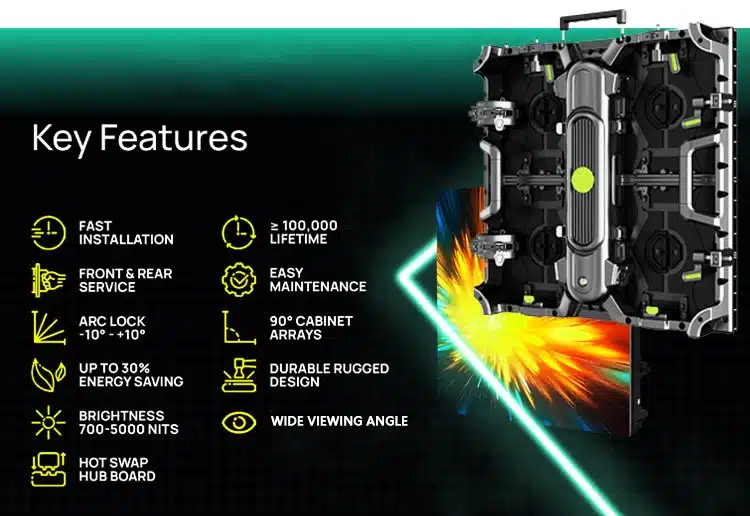
Key Features
High-Performance Outdoor & Indoor LED Displays for XR Studios
1. Versatile Cabinet Design
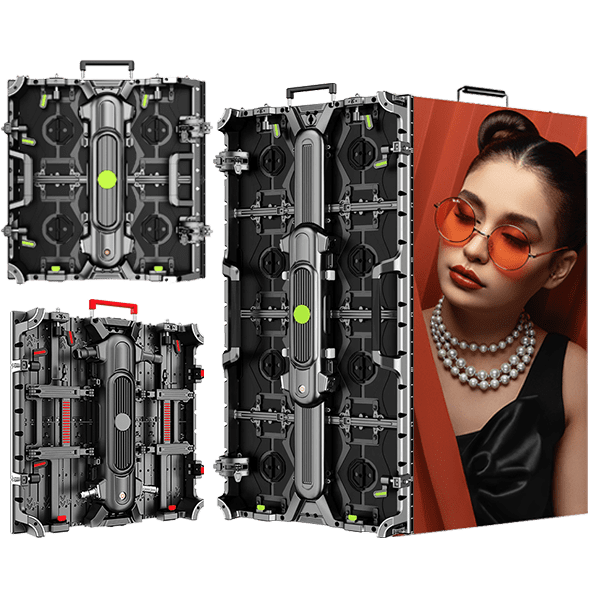
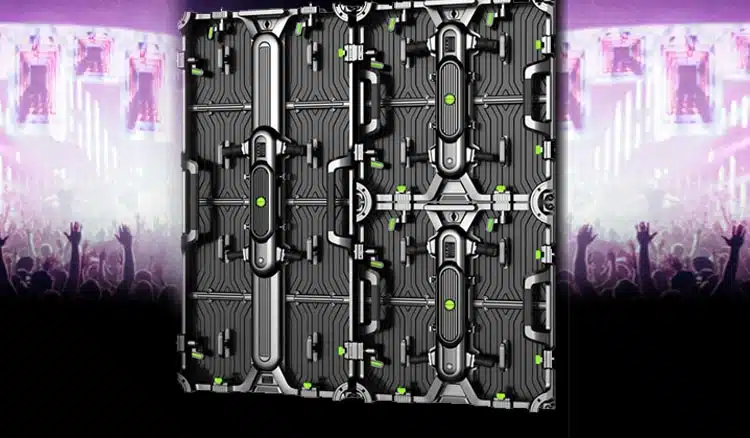
Available in 500x500mm and 500x1000mm cabinet sizes, crafted from die-cast aluminum for lightweight durability.
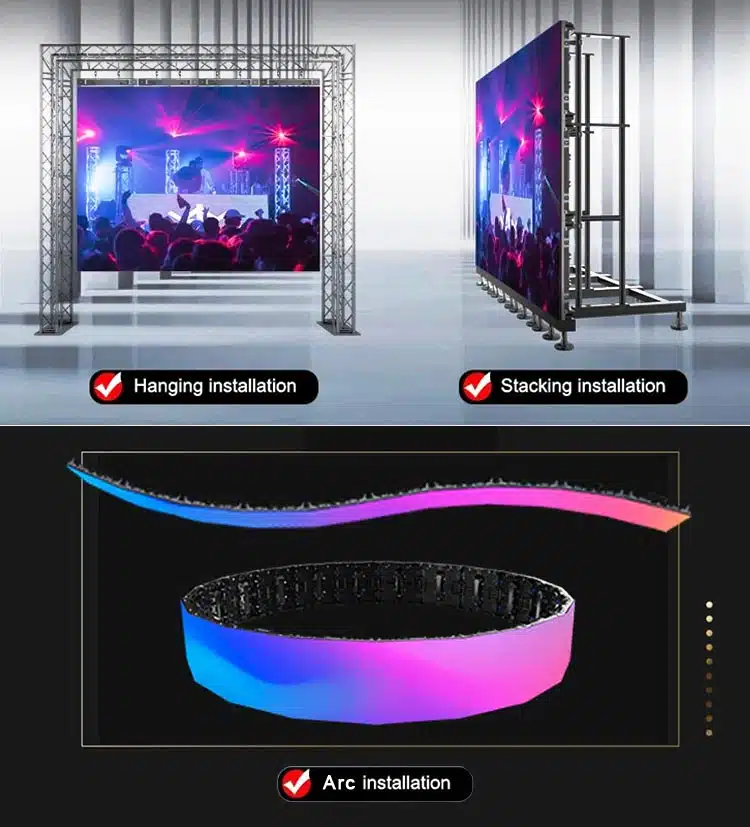
Supports curved, straight, and 90° installations, adding flexibility to meet diverse creative needs.
Lightweight Die-Cast Cabinet: The 500×500mm cabinet keeps weight low for fast transport and setup, among the lightest in its class.
Seamless Connection: High-precision engineering ensures a flawless, gap-free display.
2. Quick Installation and Maintenance
Features front and rear maintenance options, allowing for easy access to components.Configurable IP Rating: IP54 for indoor XR studios, with higher IP options available for semi-outdoor rental use.
Good Heat Dissipation: Protects modules and circuits, ensuring long-term durability and stability.
Cabinets Appearance
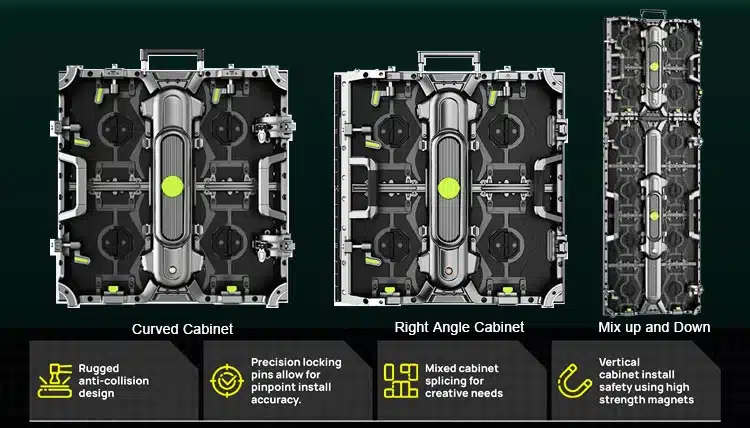

Customizable XR LED Walls for Immersive Visual Experiences Flexible LED Wall Solutions for Unique Production Needs
REISSDISPLAY XR LED walls can be tailored to meet your specific requirements based on your installation and setup. Common configurations include:
Corner LED Walls: Perfect for creating multi-dimensional environments and dynamic scenes.
Creative LED Screens: Custom shapes and designs to fit unique production needs and artistic visions.
These customizable XR LED walls provide versatile solutions for a wide range of applications in film, television, and extended reality, ensuring your production meets its creative and technical goals.
Workflow Of XR Virtual LED Wall Production
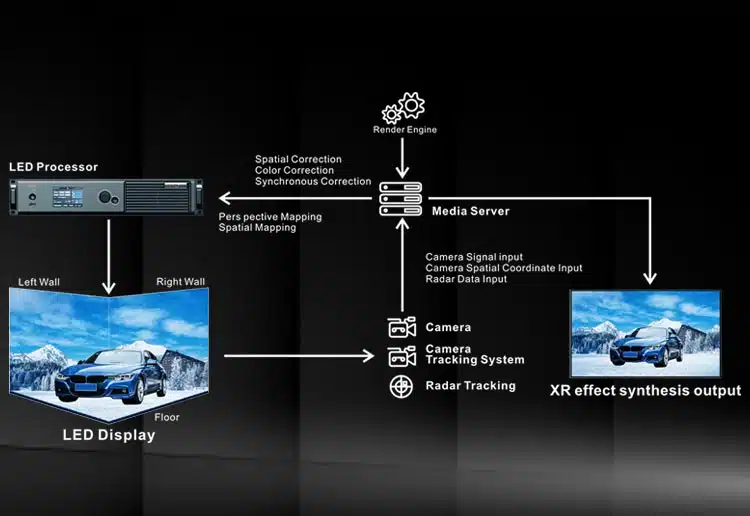
The LED wall is the heart of the XR stage, ensuring great image quality with a wider color range and high brightness. However, several other critical components work together to create a seamless and immersive XR experience:
Camera Tracking System: Tracks camera movements in real-time to synchronize virtual and physical elements accurately.
Controller: Manages the various inputs and outputs, ensuring smooth operation of the XR system.
Graphic Engine: Processes and generates the high-quality visual content displayed on the LED wall.
Rendering Server: Handles the complex computations required to render detailed and realistic virtual environments.
Virtual Production Pipeline: Integrates all components, from pre-production to post-production, enabling efficient workflow and collaboration.
These components collectively ensure the XR stage delivers exceptional visual performance and a fully immersive experience for film, television, and extended reality productions.
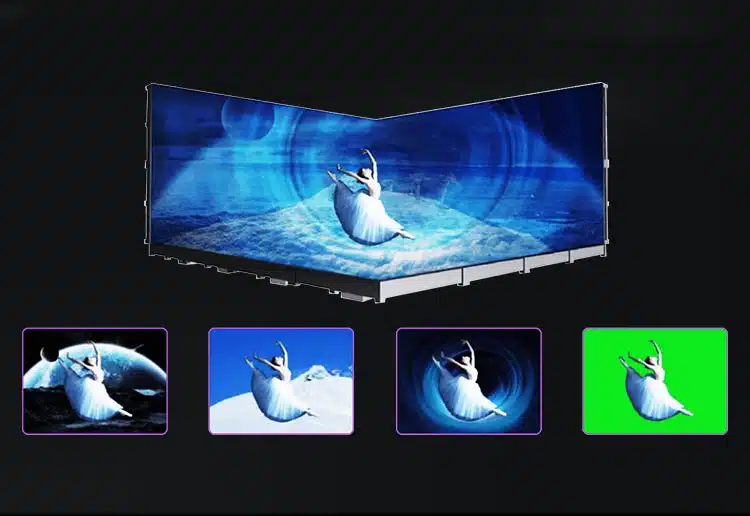
Frame Multiplexing
Supports frame multiplexing allowing users to reframe multiple video feeds in the same time field. Utilizing the camera’s genlock phase offset, it becomes possible to output multiple effects simultaneously within a single shooting scene, improving work efficiency and reducing cost.
Essential Equipment for Running an LED Wall for XR Stage
LED Wall is the heart of the XR stage. The LED wall helps to ensure great image quality with wider color range and high brightness. Other important components include led processor, camera tracking system, controller, graphic engine, rendering server and virtual production pipeline.
LED Processor
The LED processor is needed to support and deal with different signal inputs,
such as HDMI and DP from sending cards and then send them to receiving cards.
Media Server
The media sever is responsible for the input and output of the material.
It receives the material from the render engine and transmits it to the LED processor. Subsequently, the processor displays the material on the screen. Meanwhile, the media server receives the material from the camera and tracking system and outputs the image. It is like a brain in the LED display system.
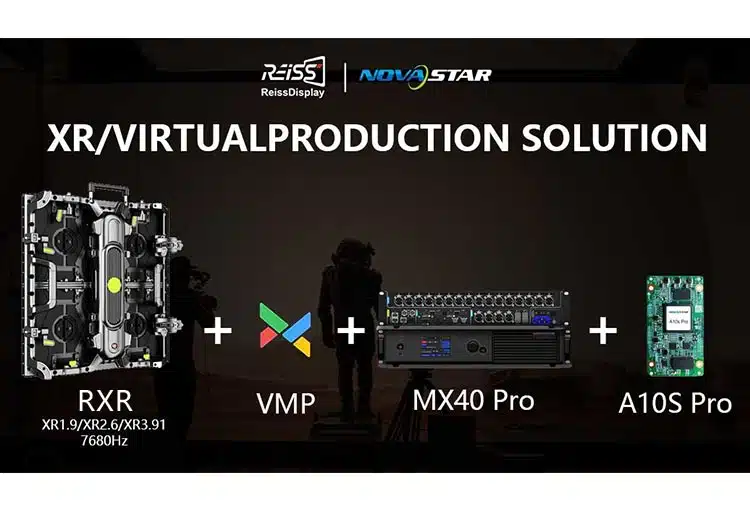
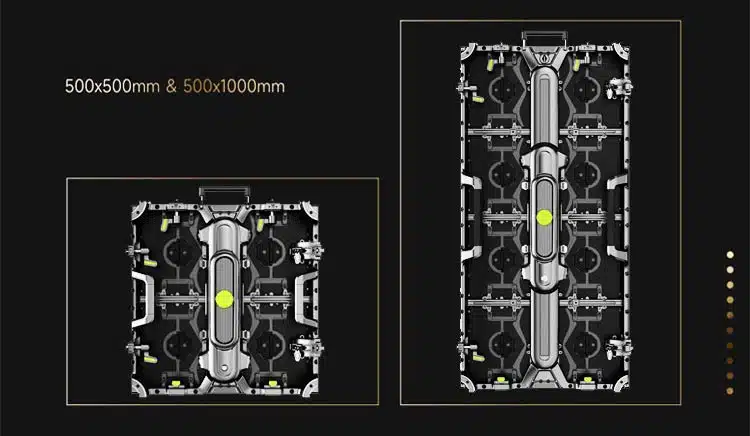
Cutting-Edge LED Screens for Virtual Reality Productions Panel Size
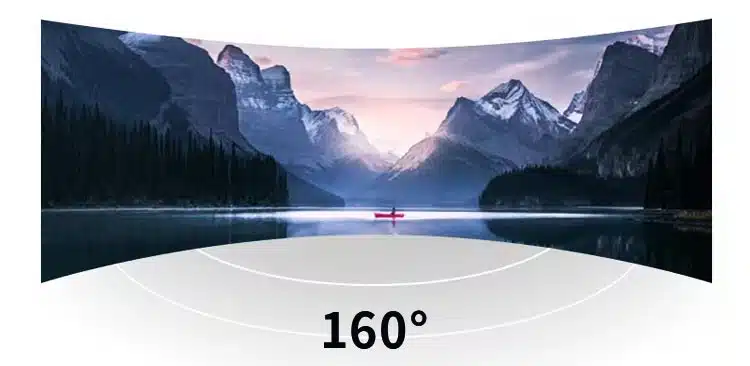
Ultra-wide Viewing Angle
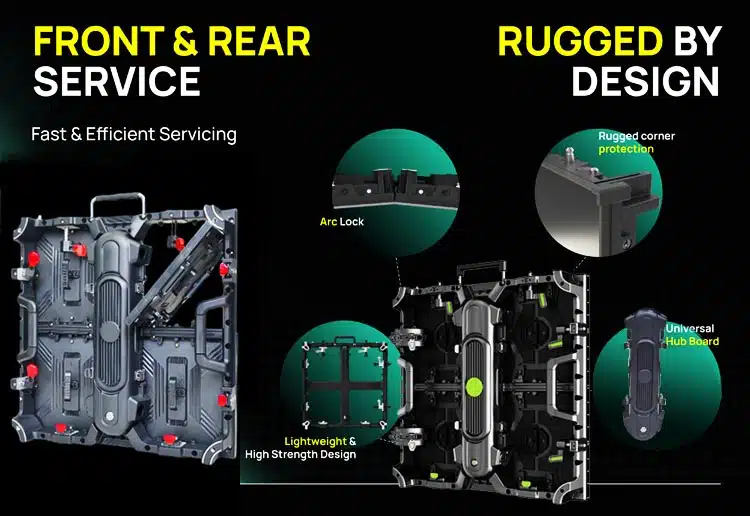
Quick Setup & Teardown, Front Service
Seamless Integration & Customizable Designs for Creative Flexibility
Unleash your artistic vision with the arc-lock feature of the RXR series, allowing concave & convex curves.Experience unparalleled creative freedom as you effortlessly craft captivating shapes and designs.
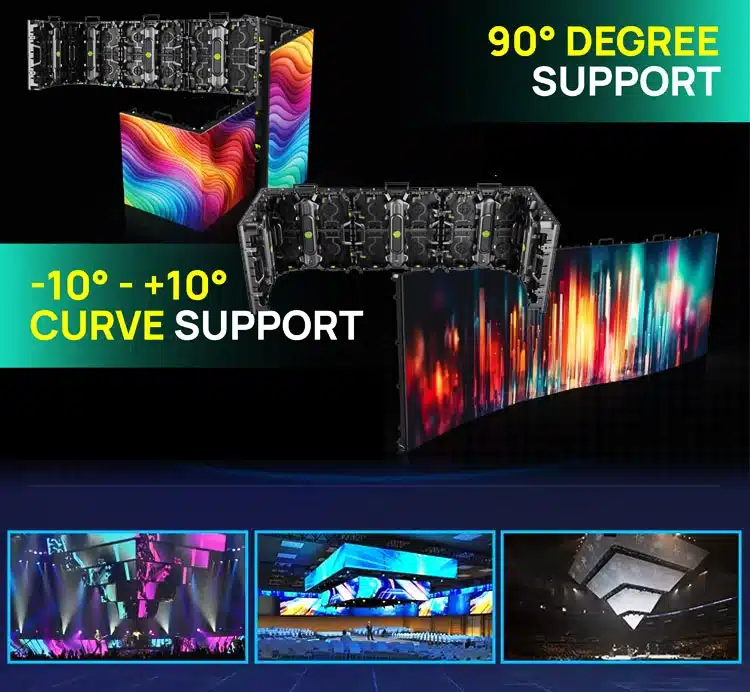
Mixed Cabinets Splicing: Design Without Limits
Mounting Methods: Flexible and Efficient Installation
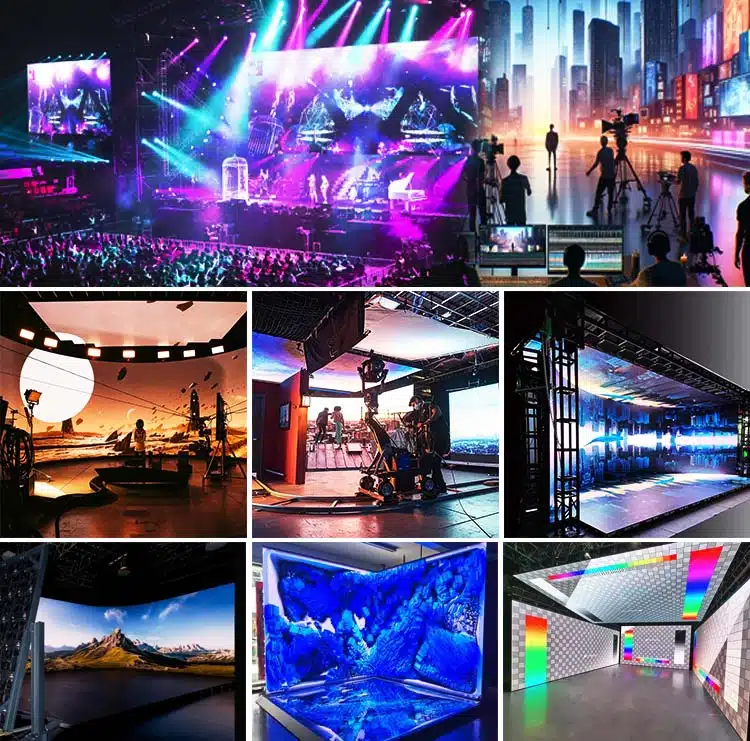
Versatile LED Displays for Live Events and XR Applications
Application Cases

Event Stage LED Wall: Transforming Live Experiences
Case Study:
In the world of live events, an LED wall has become the centerpiece of modern stages. Whether it’s a concert, corporate conference, trade show, or wedding, LED walls provide a dynamic platform for delivering stunning visuals, immersive experiences, and impactful communication. These high-resolution displays not only captivate audiences but also elevate the production value of […]
Application and Installation Videos


Specifications
| Specification | P1.9(indoor / outdoor) | P2.6 (indoor / outdoor) | P3.91 (indoor / outdoor) |
|---|---|---|---|
| Pixel Pitch (mm) | 1.953 | 2.604 | 3.91 |
| LED Configuration | SMD1515 | SMD2121 | SMD2121 |
| Module Size (mm) | 250 × 250 | 250 × 250 | 250 × 250 |
| Cabinet Size (mm) | 500 × 500 × 71 | 500 × 500 × 71 | 500 × 500 × 71 |
| Cabinet Material | Die-casting Aluminum | Die-casting Aluminum | Die-casting Aluminum |
| Scan Mode | 1/16 | 1/32 | 1/16 |
| Grayscale | 16bit–24bit | 16bit–24bit | 16bit–24bit |
| Refresh Rate (Hz) | 7680 | 7680 | 7680 |
| Brightness (nit) | 600–6500 | 600–6500 | 600–6500 |
| Viewing Angle (H / V) | ≥160° / ≥140° | ≥160° / ≥140° | ≥160° / ≥140° |
| Max. Power Consumption (W/㎡) | 650 | 650 | 650 |
| Avg. Power Consumption (W/㎡) | 200 | 200 | 200 |
| Installation / Maintenance | Front & Rear | Front & Rear | Front & Rear |
| Control System | Novastar / Linsn / Colorlight | Novastar / Linsn / Colorlight | Novastar / Linsn / Colorlight |
| Certification | CE, EMC, RoHS, ISO9001 | CE, EMC, RoHS, ISO9001 | CE, EMC, RoHS, ISO9001 |
Frequently Asked Questions
1 What is a LED wall for XR stage?
A LED wall for XR stage is the core display used in virtual production. It replaces the traditional green screen with real-time rendered environments, letting cameras capture actors and digital backgrounds together in-camera, with accurate lighting and reflections.
2 Which pixel pitch is best for an XR LED wall?
P1.9 and P2.6 are the most popular choices for XR studios because the finer pitch avoids moiré on camera at close focus distances. P3.91 suits larger stages or backdrops shot from a greater distance.
3 How does a LED wall for XR stage work with camera tracking and Unreal Engine?
In an XR workflow, a camera tracking system reports the camera's position and lens data in real time to a graphic engine such as Unreal Engine. The engine renders the virtual scene from the exact camera perspective and sends it through a rendering server and media server to the LED processor, which drives the LED wall. As the camera moves, the perspective on the wall updates instantly, so the background stays photo-real and parallax matches the physical set. High refresh rate (up to 7680Hz) and high grayscale (16–24bit) keep the on-camera image clean and flicker-free, which is essential for professional XR and virtual production shoots.
4 What equipment do I need to run a LED wall for XR stage?
Besides the LED wall itself, a complete XR stage needs several core components working together. A LED processor receives signal inputs such as HDMI and DP and distributes them to the receiving cards. A media server manages input and output of content, receiving footage from the render engine and the camera-tracking system and feeding it to the processor. A camera tracking system synchronizes the physical camera with the virtual scene, while a graphic engine and rendering server generate and compute the high-quality environments. A virtual production pipeline ties everything together from pre-production to post. Together these ensure a stable, immersive and color-accurate result on set.
5 Can the RXR series LED wall be curved for immersive XR studios?
Yes. The RXR series is built for creative flexibility and supports straight, curved and 90° installations using its arc-lock design, which allows both concave and convex curves. With 500×500mm and 500×1000mm die-cast aluminium cabinets, you can splice mixed sizes to build panoramic backdrops, corner walls, ceilings and custom shapes. This makes it ideal for immersive XR studios and virtual production stages where a seamless, wrap-around environment is needed to surround the talent and extend the set beyond the camera frame.
6 Is the LED wall for XR stage suitable for both studios and live events?
Yes. The RXR series is designed primarily for indoor XR studios and virtual production, but its lightweight cabinets, quick lock-and-release modules and front & rear service also make it well suited to rental and live-event use. Ground-stack and hanging-truss mounting options allow fast setup and teardown, so the same panels can be reused for film shoots, broadcast sets, concerts, product launches and corporate events. For semi-outdoor or high-brightness scenarios, higher-nit configurations are available on request to keep visuals vivid under stronger ambient light.
Related Products
RF-RH Series rental LED stage screen
Most cost-effective LED stage screen factory provides you with the latest LED display screens with multiple functions and flexible designs.
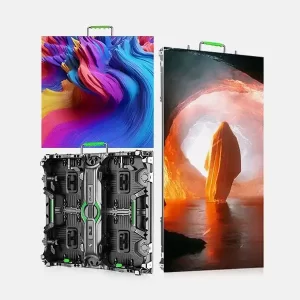
Rental Stage LED Display Screen | RF-PRO+ Series Manufacturer
Professional manufacturer of fast maintenance and rental high-definition stage LED displays, usually used for large-scale stage events and large screens for World Cup games.
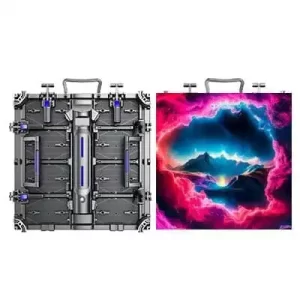
Event Rental LED Screen Manufacturer | RFR-RF Series
Most cost-effective rental screen manufacturer provides you with high-quality product solutions
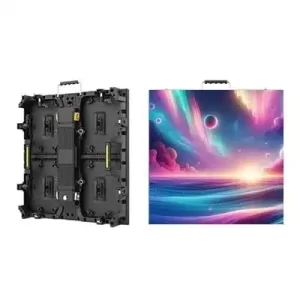
Versatile Rental LED Panel – RFR-Pro Series
Explore our versatile rental LED panels, designed for easy installation and exceptional performance in any stage setting.
