






Flexible LED Screen: Redefining Creative Visual Displays
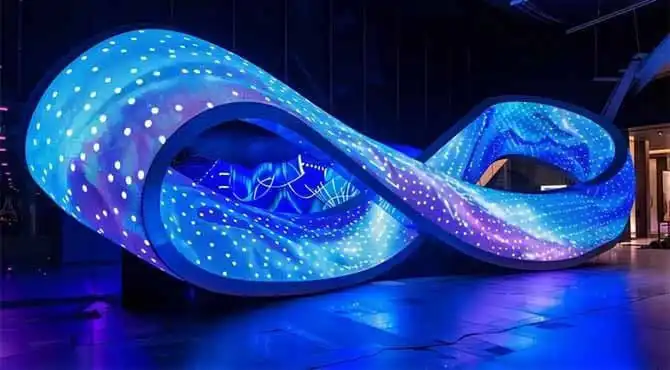
Flexible LED screens are transforming the way we use digital displays by introducing adaptability and innovation to visual communication. These screens are lightweight, bendable, and capable of forming curved surfaces or unconventional designs, making them ideal for creative applications in retail, events, architecture, and beyond. With their vibrant visuals and versatile functionality, flexible LED technology offers a modern solution for businesses and organizations looking to stand out.
In this article, we’ll explore the features, benefits, and practical uses of flexible LED displays, along with tips for choosing the right screen for your needs.
What Are Flexible LED Screens?
A flexible LED screen is a versatile digital display that can curve, wrap, or fold to fit unique spaces or shapes. These screens are made with soft, durable materials that allow for flexibility while maintaining high-quality visuals. They are commonly used in scenarios where traditional flat screens cannot achieve the desired aesthetic or functionality.
Key Features of Flexible LED Panels
- Bendable Design
- Can adapt to curved walls, columns, or spherical shapes.
- Suitable for creative installations in tight or irregular spaces.
- High-Quality Visuals
- Delivers clear and vibrant images with pixel pitches as fine as P1.5–P4, ensuring sharp resolution even at close viewing distances.
- Lightweight and Modular
- Easy to transport and install, with modular panels that can create custom sizes and layouts.
- Durability
- Flexible screens are designed to handle repeated bending without affecting performance, making them reliable for long-term use.
- Energy Efficiency
- Consumes less power than traditional displays, reducing operational costs while providing bright and engaging visuals.
Why Choose a Flexible Display?
1. Creative Freedom
Flexible LED screens allow for innovative designs that break away from traditional flat surfaces. They can wrap around structures, create wave-like effects, or even form cylindrical displays, giving designers the flexibility to bring unique ideas to life.
2. Space Optimization
These screens are perfect for irregular spaces where a standard display wouldn’t fit, such as curved walls, tight corners, or architectural accents. They maximize visual impact while utilizing available space efficiently.
3. Enhanced Engagement
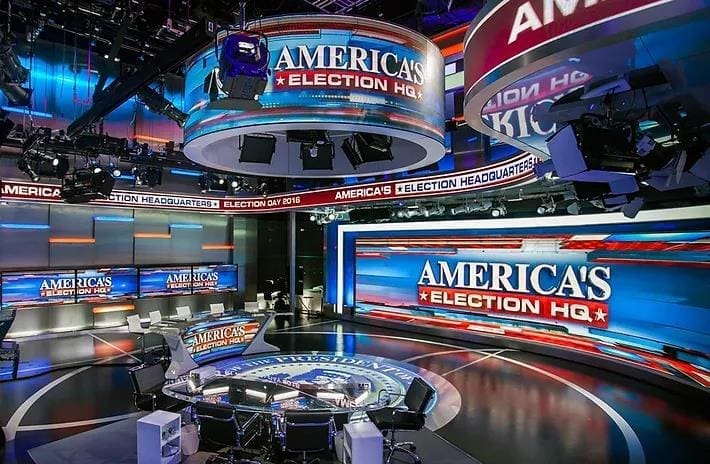
Dynamic visuals on a curved or unconventional display naturally attract attention, making flexible screens ideal for retail promotions, stage backdrops, or interactive exhibits.
4. Versatile Applications
From retail stores and live events to corporate environments and museums, flexible LED screens can adapt to any setting, offering endless possibilities for creative and functional use.
5. Long-Term Value
With their durability and low energy requirements, flexible displays provide a cost-effective solution for businesses looking to invest in long-lasting digital signage.
Applications of Flexible LED Screens
1. Retail Environments
- Storefront Displays: Curved or wraparound screens can create eye-catching visuals that draw customers into stores.
- In-Store Promotions: Use screens to showcase products, sales, or interactive content.
2. Events and Stage Design
- Concert Backdrops: Create immersive stage designs with curved or dynamic LED walls.
- Trade Shows: Use flexible panels to design unique, attention-grabbing booth installations.
3. Architecture and Interior Design
- Building Facades: Add curved displays to exteriors for a modern and engaging look.
- Interior Accents: Enhance spaces with digital visuals that blend seamlessly into the architecture.
4. Museums and Exhibitions
- Interactive Displays: Use flexible screens to create immersive storytelling experiences or digital art installations.
5. Outdoor Advertising
- Creative Billboards: Wrap screens around unconventional surfaces like poles or curved walls to deliver impactful ads.
How to Choose the Right Flexible LED Screen
1. Define Your Needs
- Determine where and how the screen will be used (e.g., retail, events, architecture).
- Decide whether it will be installed indoors or outdoors, as this will affect brightness and durability requirements.
2. Select the Right Pixel Pitch
Pixel pitch measures the distance between LED pixels and determines the screen’s resolution.
- P1.5–P2.5: Ideal for close viewing in indoor spaces like galleries or retail stores.
- P3–P4: Best for medium-distance viewing, such as stage backdrops or corporate displays.
- P5+: Suitable for large outdoor screens or long-distance viewing.
3. Check Brightness Levels
- Indoor Use: A brightness level of 800–1,500 nits is sufficient for most indoor environments.
- Outdoor Use: Screens with 3,000+ nits ensure visibility in direct sunlight.
4. Ensure Durability
- For outdoor installations or frequent use, look for weatherproof options with high IP ratings (e.g., IP65).
5. Consider Size and Configuration
- Measure the installation area and determine whether you need a flat, curved, or custom-shaped display.
- Modular panels allow for scalable designs that fit any space.
6. Budget Planning
Flexible screens vary in cost depending on their size, resolution, and features. Choose a solution that provides the best value without compromising on quality.
Estimated Costs for Flexible LED Display Screens
Here’s a general breakdown of costs based on screen type and use:
| Type | Pixel Pitch | Estimated Cost (Per m²) |
|---|---|---|
| Indoor Flexible Screen | P2–P3 | $2,000–$5,000 |
| Outdoor Flexible Screen | P3–P5 | $3,000–$7,000 |
| Transparent Flexible Panel | P3–P5 | $4,000–$8,000 |
| LED Mesh Display | P5+ | $1,500–$3,500 |
Future Trends in Flexible LED Technology
- Micro-LED Displays: Offer higher resolutions for sharper visuals and thinner designs.
- Interactive Features: Touchscreen-enabled panels for greater audience interaction.
- Eco-Friendly Materials: Manufacturers are focusing on reducing energy consumption and using sustainable components.


